Pope Leo’s Africa Pilgrimage: A Papal Visit That Dares Speak Truth to Power
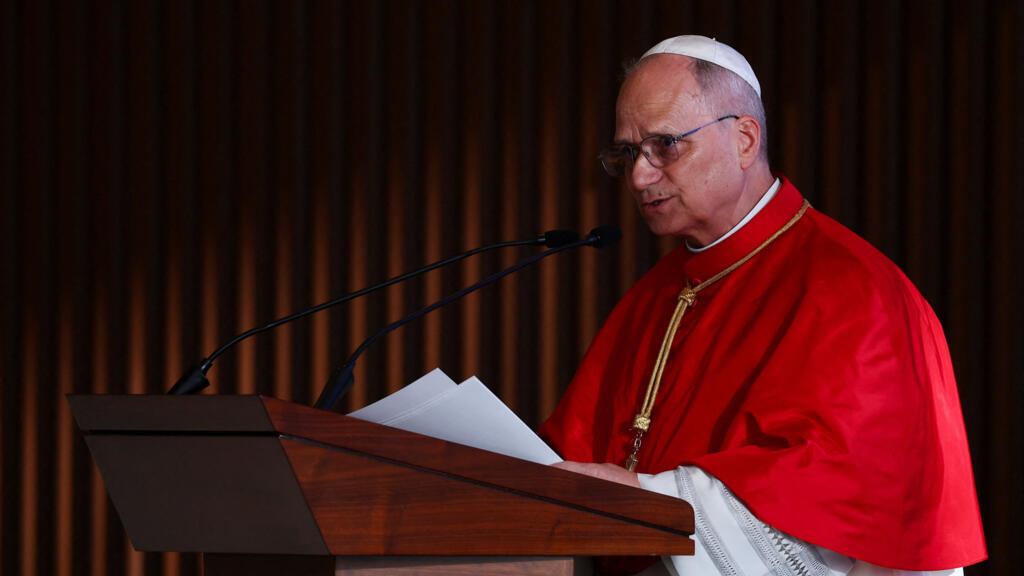
Pope Leo XIV wrapped up an eleven-day apostolic journey across Africa this week that took him through Algeria, Cameroon, Angola, and Equatorial Guinea — and in the process, delivered some of the most direct and politically charged papal rhetoric in recent memory.
From accusing AI development of fueling social polarisation in Cameroon, to condemning the “logic of extractivism” in Angola, to touring a notorious prison in Equatorial Guinea and publicly denouncing the conditions he found there — Leo left no doubt that his papacy intends to be one of moral pointedness rather than diplomatic comfort.
A Pope Who Does Not Whisper
The visit, which ran from April 13 to April 23, was Leo’s third international trip since his election and reflected a deliberate choice to make Africa a priority continent. It was also the first papal visit to Algeria in decades — a historically significant gesture in a country with a rich but complex relationship with its Catholic minority.
In Cameroon, before an audience that included President Paul Biya — an octogenarian leader who has held power for over four decades — Leo delivered remarks that observers interpreted as a pointed challenge to the country’s authoritarian governance. His speech urging citizens to pursue peace and reject division was widely read as a subtle but unmistakable critique of the political environment that has constrained Cameroonian civil society.
In Angola, the Pope was more explicit. Addressing authorities and civil society in Luanda, he said Africa must “break the cycles of interests” that have historically enriched foreign powers while impoverishing local populations. The condemnation of extractivism — the logic whereby Africa’s resources are extracted for processing and profit elsewhere — was seen as a direct reference to the neocolonial economic relationships that many African governments have struggled to dismantle.
Prison, Poverty, and a Papal Outcry
Perhaps the most striking moment came in Equatorial Guinea, where Leo toured the infamous Bata Prison. Speaking to inmates, he condemned the conditions he found — overcrowding, inadequate food, denial of basic rights — calling them incompatible with human dignity. It was an extraordinary public rebuke of a regime led by President Teodoro Obiang Nguema Mbasogo, one of the world’s longest-serving rulers.
The Equatorial Guinea stop was controversial before it began. Human rights organisations had called on the Pope to cancel the visit, arguing that a papal photo opportunity with Obiang would legitimise a government responsible for systematic repression. The Vatican proceeded, but Leo’s decision to deliver hard-hitting remarks inside the prison was seen as an attempt to have the visit’s substance outweigh its optics.
The Broader Message
Leo began his Africa tour in Algeria, marking the first papal visit to that nation. In a country where Christians make up less than one percent of the population, the symbolic weight of the Pope’s presence was considerable — a gesture of interfaith respect and intercontinental solidarity.
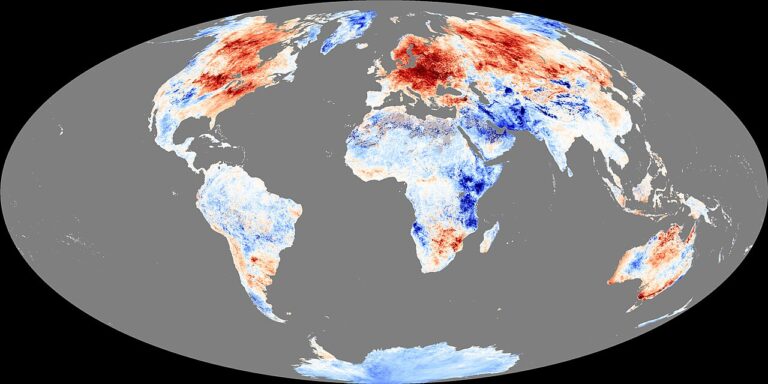
Throughout the trip, the Pope also addressed themes of climate vulnerability, youth unemployment, and the continent’s debt burden — issues he framed as moral imperatives requiring global action rather than charity.
For Africa, which has contributed the least to cumulative carbon emissions yet suffers disproportionately from climate disruption, Leo’s framing was significant. He reframed the continent not as a recipient of Western aid but as a moral actor whose suffering deserves structural remedy rather than paternalistic assistance.