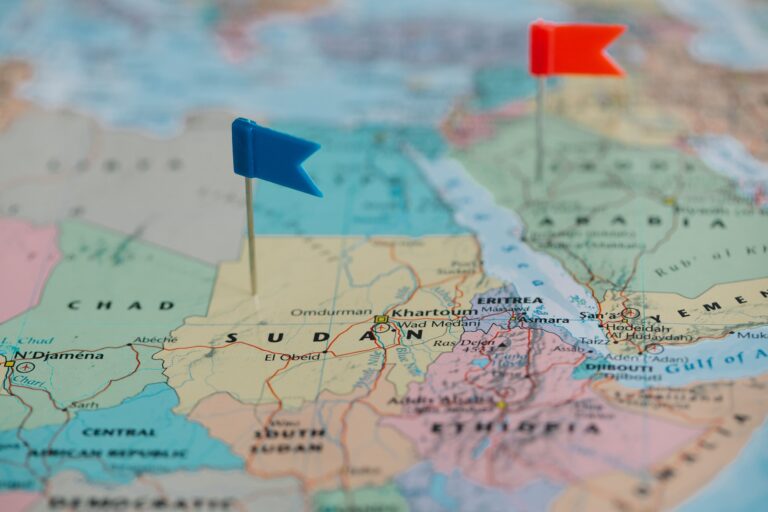
South Sudan Sets December Elections Amid Ongoing Fighting, Testing Fragile Peace Agreement

South Sudan’s long-delayed democratic exercise finally has a date: December 2026. The announcement by the National Election Commission sets the polls for the 27th of that month, marking what authorities call a critical step toward stabilizing a nation that has lurched from crisis to crisis since gaining independence in 2011. But the declaration immediately drew skepticism from observers who point to the reality on the ground: fighting continues across multiple regions, displacing hundreds of thousands, and the peace agreement that was supposed to end the 2013-2018 civil war remains only partially implemented.
The announcement, made in Juba on April 21, was accompanied by a warning from the UN Mission in South Sudan (UNMISS) that the security environment remains far below the threshold required for credible elections. The mission cited continued clashes in the Upper Nile, Greater Equatorial, and Unity regions, where armed groups aligned with various political factions continue to contest territory even as the transitional government struggles to consolidate authority.
A Timeline Repeatedly Pushed Back
South Sudan’s election has been postponed five times since the original December 2022 target set in the 2018 peace agreement. Each delay has been attributed to a combination of factors: lack of funding, incomplete security arrangements, and disputes over the voter register. The new December 2026 date is being described as final by the election commission, though similar assurances have been given before.
The 2018 Revitalized Agreement on the Resolution of Conflict in South Sudan (R-ARCSS) brought together President Salva Kiir and his longtime rival Riek Machar in a power-sharing arrangement that has been fractious at best. Machar, who holds the position of First Vice President, has seen his movements restricted and several of his allies detained in recent months, raising questions about whether the current political environment can support genuinely competitive elections.
The Security Reality
In the past six months alone, inter-communal violence in the Jonglei and Lakes regions has forced an estimated 150,000 people from their homes. National ceasefire monitoring teams have documented over 200 violation incidents since January, most of them involving organized forces rather than spontaneous communal clashes. The UN has warned that without a comprehensive disarmament process and the restructuring of security forces along agreed timelines, holding elections in December would be technically impossible and politically dangerous.
For the citizens of South Sudan — many of whom remember the horrors of the civil war that killed nearly 400,000 people — the announcement brings a mixture of cautious hope and deep fatigue. We want to vote. We want our country to be normal, said a 34-year-old teacher in Juba who asked not to be named. But we also remember what happened last time there were elections here. People need to stop fighting first, or the election will just be another excuse for violence.
International Community Watches Closely
The African Union and the East African Intergovernmental Authority on Development (IGAD) have both called for accelerated implementation of the outstanding provisions of the peace agreement, including the unification of armed forces and the establishment of state governments. The United States has made future aid disbursements contingent on concrete progress toward election benchmarks, while China — South Sudan’s largest investor and trading partner — has quietly increased its diplomatic engagement, reportedly pressing for stability as a precondition for continued infrastructure investment.
December 2026 is now the date. Whether it holds — and whether it produces a result that South Sudan’s people accept as legitimate — may determine whether the world’s youngest nation finally finds a path out of perpetual crisis, or slides further into the kind of managed instability that has come to define so many of Africa’s delayed democracies.
Source: Africanews / UNMISS / Reuters
More From Politics & Governance
At inaugural lecture, Prof Adeniyi calls for stronger digital governance amid technological shifts in migration
Nigeria’s economic reforms yielding gains, but poverty levels remain high – IMF