
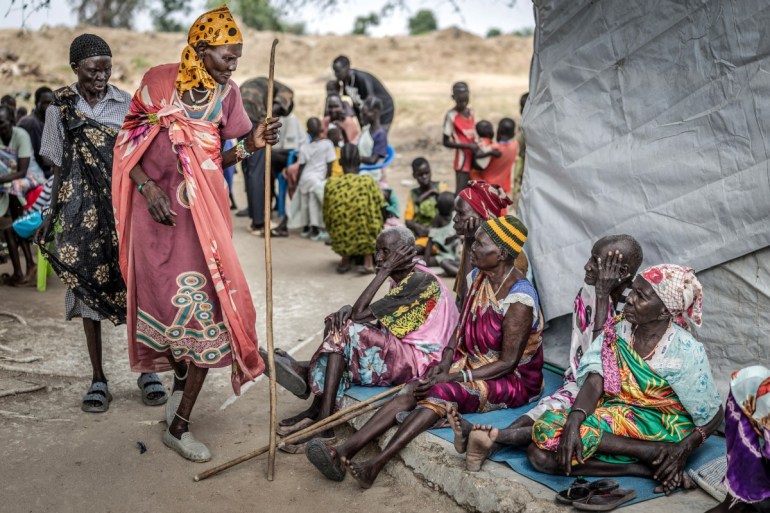
Juba, South Sudan — The United Nations humanitarian chief has issued a stark warning that South Sudan is at risk of sliding into full-scale famine, as intensifying fighting between government forces and opposition groups devastates communities already weakened by years of conflict and cyclical flooding.
Tom Fletcher, the UN’s Under-Secretary-General for Humanitarian Affairs and Emergency Relief Coordinator, told the Security Council on Friday, April 17, that hunger across South Sudan is tightening its grip, with emergency levels of food insecurity expected across all ten states during the lean season that runs through the end of July.
A Week Inside the Crisis
Fletcher spent a week in South Sudan before delivering his briefing to the Security Council. What he found there disturbed him deeply. I fear that my next briefing will speak of famine, he told council members, describing humanitarian compounds looted and nutrition centres destroyed in areas surrounding Akobo in Jonglei State, where more than 140,000 people were described as being in dire need of help.
More than 7.5 million people will need food assistance this year, Fletcher told the council. All of this is unfolding as floods are expected to continue, cutting communities off and hitting livelihoods — once again.
The Fighting Behind the Crisis
Fighting in South Sudan escalated late last year, shattering a peace agreement that had ended the country’s five-year civil war in 2018. A coalition of opposition forces seized government outposts in Jonglei State in December, prompting a retaliatory military operation in late January that forced more than 280,000 civilians to flee the area.
Anita Kiki Gbeho, the head of the UN Mission in South Sudan (UNMISS), told the Security Council that civilians continue to bear the brunt of the violence, particularly in Jonglei, where the bulk of the displacement has occurred. The conflict has disrupted agricultural cycles, destroyed food stores, and prevented aid organisations from reaching those most in need.
A Race Against Time
Fletcher called on the Security Council to press for unhindered humanitarian access, increase flexible funding for relief operations, and demand that all parties fully respect humanitarian law and the protection of civilians and critical infrastructure. With the UNMISS mandate set to expire on April 30, he warned that the scale and urgency of needs on the ground are not yet matched by the type of sustained commitment and investment required to fully meet the shared ambition of a sustainable path to peace.
The situation is compounded by climate factors. South Sudan has experienced repeated cycles of catastrophic flooding that destroycrops, contaminate water sources, and force communities from their homes. The coming months, traditionally the lean season before the next harvest, will test whether the international community can mount an adequate response before famine is officially declared.
For millions of South Sudanese, the question is not whether disaster is coming, but whether the world will respond before it is too late.
Reporting by Al Jazeera and Reuters