The convulsions in the Middle East are sending shockwaves far beyond the region. For Africa, where energy poverty already blights the lives of hundreds of millions and constrains industrial development, the disruption caused by the Iran war has become a catalyst for a conversation that the continent has postponed for decades: whether to embrace nuclear power as a long-term energy solution.
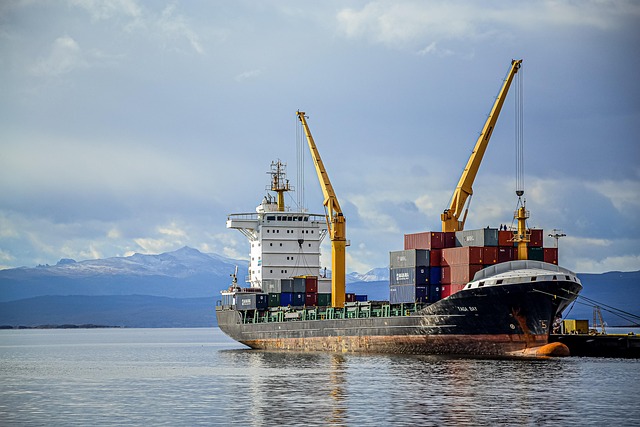
Oil prices have swung sharply since the outbreak of hostilities, shipping routes through the Strait of Hormuz have become unpredictable, and fertiliser costs — heavily dependent on oil and gas inputs — have surged across African agricultural markets. The cumulative effect on an already exposed continent has been immediate and painful. Now, governments from Nairobi to Cairo are quietly revisiting nuclear energy plans that were previously shelved or moving too slowly to matter.
The most direct energy shock has come through refined petroleum products. Several African countries — including Kenya, Tanzania, and Uganda — rely heavily on imports of refined fuel, even as they produce crude oil. The disruption of Hormuz maritime routes has extended supply chains, driven up landed costs, and, in some markets, produced fuel shortages that have cascaded into transport and manufacturing disruptions.
“We are feeling this in every sector,” said Fatuma Hussein, a small-scale transport operator in Mombasa whose fuel costs have risen by nearly a third in six months. “When diesel goes up, everything goes up. We are pricing ourselves out of business.”
The nuclear question returns
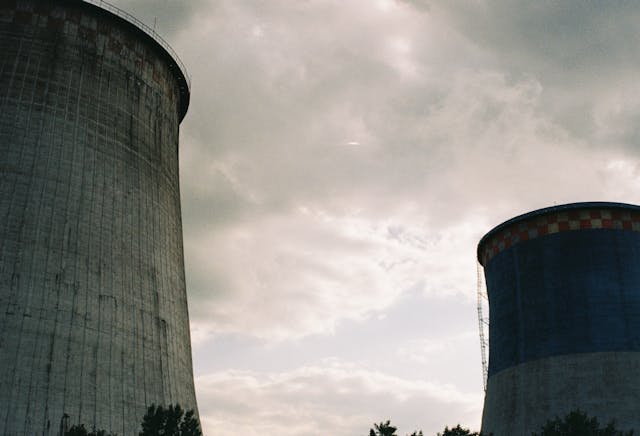
Into this breach, nuclear power — long considered too expensive, too complex, and too politically contentious for most African governments — is receiving renewed attention. South Africa, the continent’s most industrialised economy, already operates the Koeberg nuclear power plant near Cape Town and has in recent years explored proposals for new capacity. That debate has gained fresh urgency.
Kenya’s energy policy framework, updated in recent years, includes provisions for nuclear power as part of a diversified generation mix targeting 100 percent clean energy by 2030. The Kenya Nuclear Electricity Board has been studying sites for a potential plant, though progress has been slow and the timeline remains years away. The current crisis may compress that timeline.
Egypt, which has been building its first nuclear power plant at El Dabaa on the Mediterranean coast with Russian cooperation, has accelerated work on the project as part of a broader strategy to reduce dependence on imported natural gas. Egypt’s energy minister indicated in recent weeks that the project would be treated as a national priority given the regional instability affecting traditional fuel supply lines.
Ghana, Morocco, and Rwanda have also signalled varying degrees of interest in nuclear energy development, while Nigeria — Africa’s largest economy and a significant oil producer — has cited nuclear as a potential component of its long-term generation strategy, though no concrete project timelines have been announced.
The case for and against
The argument for nuclear power in Africa rests on a few straightforward points. Unlike solar or wind, nuclear provides firm, dispatchable baseload power that does not depend on weather conditions — a critical consideration for industrialising economies that need reliable electricity to attract manufacturing investment. Nuclear fuel is also highly energy-dense and, once a plant is operational, produces very low carbon emissions per unit of electricity generated.
Critics point to the substantial upfront capital costs, the long lead times for construction, the unresolved question of nuclear waste storage, and the proliferation risks associated with expanding nuclear technology across a continent with variable regulatory capacity. Africa’s track record with large infrastructure projects is also a legitimate cause for caution: cost overruns and delays have plagued many energy projects across the continent.
The disaster risk — however statistically small — also carries political weight. Africa has not experienced a major nuclear accident, but the memories of Chernobyl and Fukushima weigh on public imagination, and civil society organisations in several countries have already begun mobilising against nuclear proposals in their neighbourhoods.
A continent at an inflection point
What the current crisis has done is collapse the timeframe for debate. African governments that might have spent another decade studying the nuclear question are now facing immediate decisions about how to insulate their economies from fuel price volatility and supply disruption.
The investment required is substantial. A single large nuclear reactor can cost upward of ten billion dollars and take fifteen years or more to build. For most African economies, that places nuclear power beyond reach without significant international financing, technology transfer partnerships, and institutional capacity building that do not currently exist at scale.
That does not mean the conversation is purely theoretical. The African Union’s development agency, the African Development Bank, and individual bilateral partners — notably France, Russia, China, and South Korea — have all expressed varying degrees of interest in supporting nuclear energy development on the continent. What is missing is the coordinated political will and regulatory framework to turn that interest into contracts.
In the near term, the more practical response for most African countries is likely to be a combination of accelerated investment in solar and battery storage, greater regional electricity trade through the continental power pool, and targeted fuel subsidies to buffer the poorest citizens from the immediate shock of the current crisis.
But the Middle East upheaval has done something that years of climate advocacy could not: it has made the nuclear question urgent. For African policymakers wrestling with how to power a continent of 1.4 billion people without repeating the carbon mistakes of industrialised nations, the answer may be arriving faster than anyone expected.