Deep in the arid stretches of Sudan, acacia trees have for centuries secreted an amber sap that the world barely notices until it disappears. Gum arabic, the natural emulsifier harvested from Acacia senegal and Acacia seyal trees across the Sahel, is one of the most quietly critical commodities in the global food and pharmaceutical industries. It keeps Coca-Cola syrups smooth, prevents M&Ms from sticking to their shell, gives ink its flow in printing presses, and ensures the consistency of pills that millions rely on. Sudan produces roughly 80 percent of the world supply. And Sudan’s war has put that supply in jeopardy.
Two Years of War, One Escalating Crisis
The conflict that erupted in April 2023 between Sudan regular army and the Rapid Support Forces has killed more than 150,000 people and displaced over 14 million. But beyond the humanitarian catastrophe, the war has created a secondary crisis in global commodity markets that is only now beginning to register in boardrooms from New York to Tokyo.
Gum arabic is categorised as a strategic commodity by many industrial users precisely because there is no synthetic substitute that matches its performance. The United States, Europe, and Japan all maintain strategic stockpiles, but those reserves were not sized for a prolonged disruption. Industry analysts warn that if current production levels continue to fall, the world could face a supply crunch within months.
The Production Collapse on the Ground
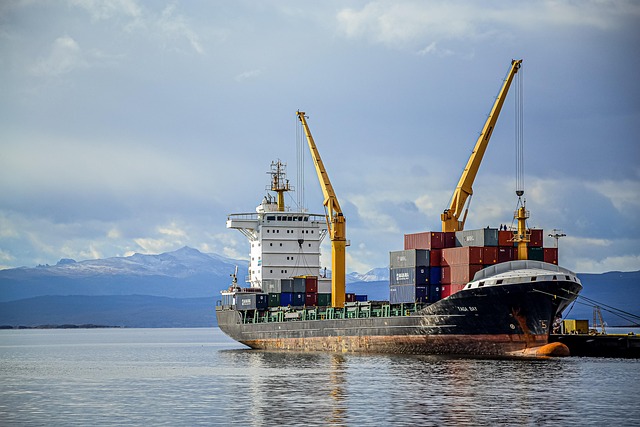
Traders and aid workers operating in Sudan Kordofan and Darfur regions describe a picture of near-total collapse. Roads that once carried raw sap to processing facilities in Port Sudan are now frequently cut by front lines. Harvesting season, which runs from November through April, has been severely disrupted in each of the past two cycles.
A gum arabic dealer in El Obeid told Reuters that the gum is there in the trees, but the roads will not allow it out. Some traders continue to operate in government-held areas, but volumes are dramatically lower.
What This Means for Global Industry
The list of products that depend on gum arabic reads like a roll call of the world most recognisable brands. Coca-Cola and PepsiCo use it in their flagship beverages. Mars depends on it for candy coating. Pharmaceutical companies use it in tablet binders. Even the petroleum industry uses it in drilling fluids.
Several major confectionery and beverage companies have confirmed they are actively working to diversify supply chains, looking to potential alternative sources in Chad, Niger, Mauritania, and even Australia. But building alternative production capacity takes years, not months.
A Global Crisis Wrapped in Local Suffering
For generations, acacia harvesting has provided a reliable income for hundreds of thousands of farming families across Sudan Darfur, Kordofan, and Kassala states. A good harvest season could earn a household several times its baseline agricultural income. That lifeline has now been severed.
The war shows no sign of ending. International mediation efforts have yet to translate into a ceasefire. And so the sap keeps flowing, unharvested, as the trees of Darfur wait for a peace that seems as distant as ever.