As global geopolitical shocks multiply and supply chains remain strained under the weight of ongoing Middle East conflict, Sub-Saharan Africa is facing a pronounced economic deterioration that has alarmed both policymakers and international financial institutions. The International Monetary Fund issued its starkest warning yet in early April 2026, cautioning that the region — already struggling with elevated debt, persistent inflation, and fragile growth — is now confronting a convergence of external pressures that could substantially set back development progress.
The IMF’s April 2026 World Economic Outlook presented a markedly more pessimistic picture than had been anticipated. Global growth is now projected at 3.1 percent for the year — down from the 3.3 percent forecast that had remained stable for several years — while inflation is expected to climb to 4.4 percent globally, driven by renewed energy and food price pressures. For Sub-Saharan Africa, these global figures mask even more acute challenges that the region’s economies are ill-equipped to absorb.
Why Sub-Saharan Africa Is Particularly Exposed
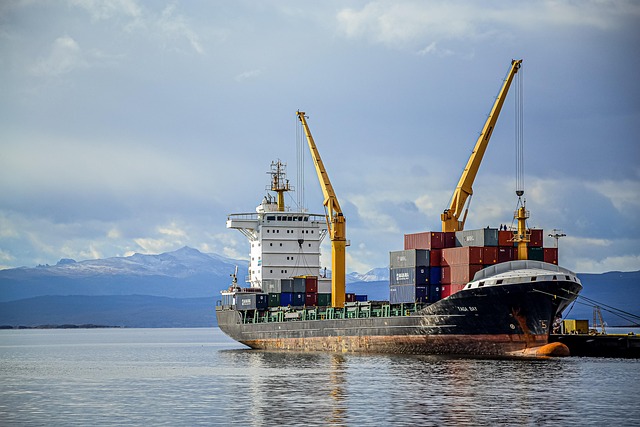
Senior IMF official Deniz Igan identified the compounding effects of the Iran war, rising commodity prices, and reductions in foreign aid as creating what she described as a “perfect storm” for African economies. The core vulnerability is the region’s overwhelming dependence on imported food and energy — a structural trait that means any spike in global commodity prices transmits rapidly into domestic inflation, eroding household purchasing power and widening fiscal deficits simultaneously.
Net oil-importing nations across the region — which include the majority of Sub-Saharan countries — have been hit particularly hard by the disruption to global petroleum markets caused by the Middle East conflict. Fuel price increases have rippled through transportation costs, food prices, and manufacturing overhead, creating a broad-based inflationary pressure that is proving difficult to contain. Central banks in the region face an impossible choice: tighten monetary policy to fight inflation and risk strangling what growth exists, or hold rates to support activity and watch inflation become entrenched.
Fiscal Space Has Nearly Disappeared
One of the most alarming aspects of the IMF’s assessment is the recognition that Sub-Saharan Africa’s governments have almost no room to use fiscal policy as a shock absorber. Many countries entered the current period of turbulence with debt-to-GDP ratios already elevated following pandemic-era borrowing, and with revenue bases that are still recovering from the economic disruption of COVID-19. The combination of higher debt servicing costs and constrained revenues means that governments cannot simply deploy spending programmes to cushion the impact of global shocks.
The World Bank’s own African economic update, published in April 2026, confirmed that growth for the region is holding at 4.1 percent — the same pace as 2025 — but that projections had been revised downward by 0.3 percentage points in recognition of the deteriorating external environment. This is still positive growth in aggregate, but it conceals wide variation across countries and, more importantly, does not reflect the lived reality of millions of people who are experiencing rising prices and shrinking real incomes.
The Long-Term Reform Imperative
Beyond the immediate crisis management, the IMF has emphasised that long-term structural reforms are the only sustainable path to insulating African economies from future volatility. Investments in domestic energy production — including renewable energy — could gradually reduce the region’s dependence on imported fossil fuels, which have been a persistent source of external vulnerability. Agricultural productivity improvements could similarly reduce exposure to global food price swings. The development of local manufacturing capacity and regional value chains would help create more diversified economies less reliant on imports.
None of these transformations can happen quickly. They require sustained investment, stable governance, and enabling policy environments — conditions that remain challenging for many countries in the region. But the IMF’s warning makes clear that the alternative — continued dependence on a volatile global economy with no structural buffer — is not a viable long-term strategy.
What Comes Next
The IMF’s base case is that downside risks to the global and regional outlook firmly predominate. A prolonged or escalating Middle East conflict would further disrupt supply chains, push commodity prices higher, and intensify the pressures already being felt across Africa. A swift resolution, by contrast, could ease global conditions substantially and provide a meaningful boost to African economies that are struggling with the ripple effects of instability they did nothing to cause.
For governments across the region, the immediate priority is to protect the most vulnerable populations while preserving macroeconomic stability — a balance that is considerably harder to achieve when fiscal space is exhausted and policy tools are limited. The coming months will test whether Sub-Saharan Africa’s economies can successfully navigate the current turbulence, or whether they will face deeper setbacks at a moment when the continent can least afford them.