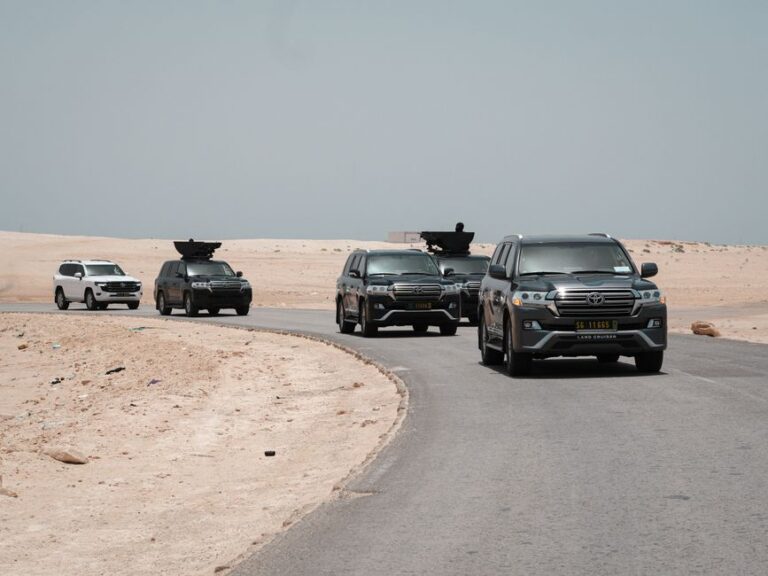
Libya Breaks a Decade-Long Deadlock with Historic Unified State Budget
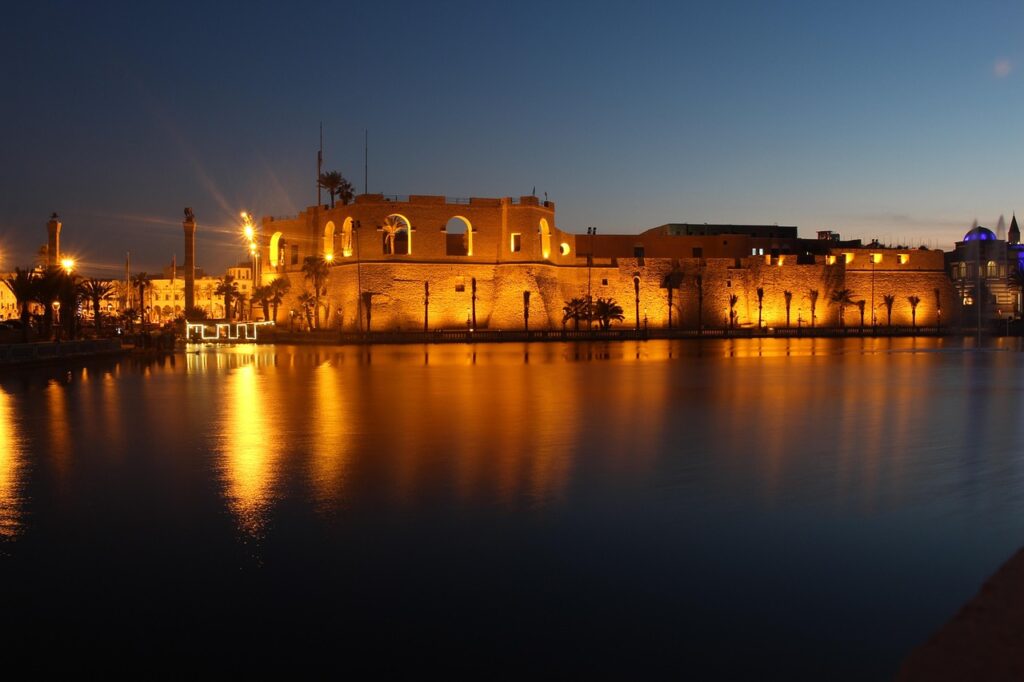
### Tripoli and Benghazi Finally Agree: 190 Billion Dinar Deal Marks a Turning Point for North Africa’s Divided Nation
Libya took a historic step toward economic reunification on Saturday, April 11, as the country’s two rival legislative bodies jointly approved a unified state budget for the first time in thirteen years. The agreement, signed at the Central Bank headquarters in Tripoli, will allocate 190 billion Libyan dinars (approximately $29.95 billion) across salaries, subsidies, development projects, and the national oil company.
The deal ends a prolonged period of financial division that has hampered public services, stunted development, and deepened regional tensions since the civil war of 2014. Since then, Libya has operated with two separate administrations — the internationally recognised Government of National Unity in Tripoli and a rival authority in the east — each with its own budgets and banking arrangements.
Abduljalel Shawesh, a representative of the High State Council in Tripoli, confirmed the details to Reuters: the budget allocates 73 billion dinars for salaries, 37 billion for subsidies, 40 billion for development projects, 18 billion for family allowances, and 10 billion for operational spending. A further 12 billion dinars will go to the National Oil Corporation, which remains the lifeblood of Libya’s economy, accounting for over 95% of national output.
Central Bank Governor Naji Issa, who oversaw the signing ceremony, called the agreement a watershed moment. “This is a clear declaration that Libya is capable of overcoming its differences when a unified vision for its future is forged,” he said at the event, attended by representatives of both the eastern-based House of Representatives and the western High State Council.
The two chambers have been at odds since the 2014 conflict that split the country. The House of Representatives, elected in 2014, operates from Benghazi, while the High State Council was formed under a 2015 political agreement drawing members from the parliament elected in 2012. Saturday’s signing in Tripoli — attended by HoR representative Essa Aribi and HSC representative Shawesh — symbolised a rare spirit of cooperation.
Osama Hamad, who heads a parallel government allied to the eastern administration, acknowledged the significance, saying the agreement represented “a cornerstone for launching balanced development programmes throughout the country, ensuring a fair distribution of resources.” The internationally recognised government in Tripoli will handle salaries, operational spending, and subsidies going forward.
Behind the scenes, U.S. Senior Advisor for Arab and African Affairs Massad Boulos played a key facilitative role, meeting with Libyan counterparts over months to push the deal forward as part of a broader American roadmap toward Libyan peace and national unification. The U.S. has been keen to ensure stability in Libya’s oil sectors and prevent further exploitation of the country’s divisions by foreign actors.
The budget agreement is expected to unlock international development funding and restore confidence among creditors and foreign investors who have long avoided doing business in Libya due to legal uncertainty and fragmentation. Whether this moment of financial unity can translate into lasting political reconciliation remains the question on everyone’s lips in Tripoli, Benghazi, and the countless Libyan towns caught between two worlds.
More From Conflict & Security
South Africa probes death of Nigerian man who collapsed during arrest
Arrest of Nigerian soldier over alleged links to criminals deepens scrutiny of military conduct