Mali’s Hidden War: Civilians Caught Between Jihadists and Russia’s Africa Corps

Mali — In the vast Sahel nation, where the desert meets the savanna, a new chapter of violence has turned the lives of ordinary citizens into a nightmare — and the architects of their suffering wear Russian uniforms, though under a new name.
Since the departure of French forces in 2022 and the subsequent rollback of the United Nations peacekeeping mission, Mali has plunged deeper into chaos. The military junta, led by Colonel Assimi Goïta, struck an alliance with Russia’s Africa Corps — the rebranded successor to the infamous Wagner Group mercenary outfit — to fill the security vacuum. Today, more than 13,000 civilians have fled their homes following a wave of attacks that eyewitnesses describe with chilling simplicity: “They shot at everyone.”
A Deal That Failed to Deliver
When the junta first welcomed Russia’s Africa Corps, it promised results. The message was clear: Moscow’s mercenaries would crush the jihadist insurgents from JNIM (Jama’at Nusrat al-Islam wal-Muslimin) and Islamic State Sahel Province who had terrorized northern and central Mali for years. For a population exhausted by violence, that promise sounded like hope.
But hope has curdled into fear. Civilians who spoke to aid workers and journalists describe a brutal calculus. The jihadist groups — some linked to al-Qaeda, others to the Islamic State — continue to massacre villages, burn crops, and kidnap for ransom. Yet the very forces hired to protect the population have not made them safer.
“They call themselves our protectors, but we are afraid of them too,” said one displaced farmer from the Mopti region, speaking on condition of anonymity. “The white men — that’s what everyone calls them — they shot at everyone. Men, women, children. No one was spared.”
The Numbers Behind the Silence
The displacement figures are staggering. More than 13,000 people have fled their homes in recent months alone, joining an already enormous pool of internally displaced persons that the UN estimates at over 600,000. Camps for the displaced, already stretched thin by chronic underfunding, are now overflowing.
Across Mali’s central regions — Mopti, Ségou, and parts of Gao — aid organizations warn of a humanitarian catastrophe unfolding in slow motion.
The Mercenary Playbook: Same Name, Same Tactics
Africa Corps has not reinvented the wheel — it has simply repainted it. Former Wagner operatives, many of whom cut their teeth in the Central African Republic and Ukraine, brought with them the same brutal methodology: a reliance on brute force, intimidation of local populations, and a casual disregard for civilian life.
A January 2026 analysis by the Africa Center for Strategic Studies described the transition from Wagner to Africa Corps as “cosmetic rebranding with zero operational change.” The same individuals, the same chain of command, the same appetite for violence.
What the International Community Can Do
Mali’s crisis will require more than military solutions. Regional governments, the African Union, and the international community must push for accountability for mercenary abuses, increased humanitarian access, and civilian protection mandates.
Mali’s civilians deserve more than a choice between two forms of violence. As the international community debates its next move, thousands of displaced families pack into camps, wondering if they will ever be able to go home — and if home will still be standing when they do.
Sources: France 24, ADF Magazine, UN OCHA, Africa Center for Strategic Studies, Human Rights Watch
More From Conflict & Security
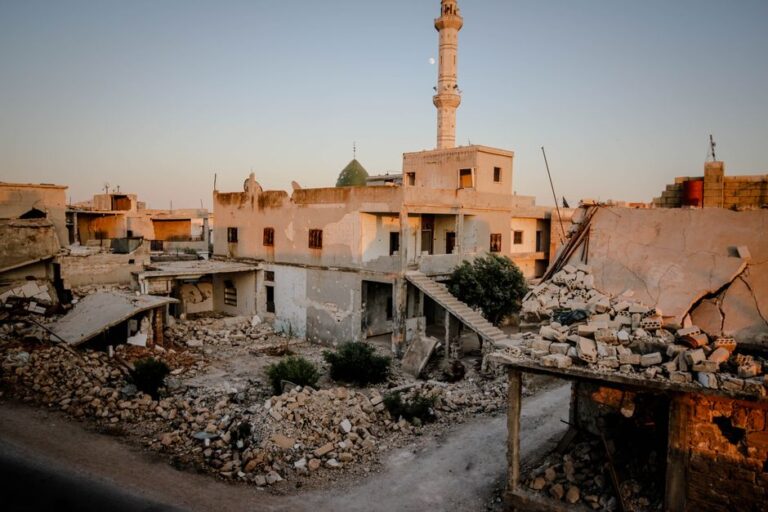
Sudan’s El-Obeid under intensifying drone strikes as army and RSF clash over key city

Liberia destroys over four tons of cocaine in major anti-trafficking operation