Uganda Gold Boom: How a Country Producing Almost No Gold Became One of Africa Top Exporters
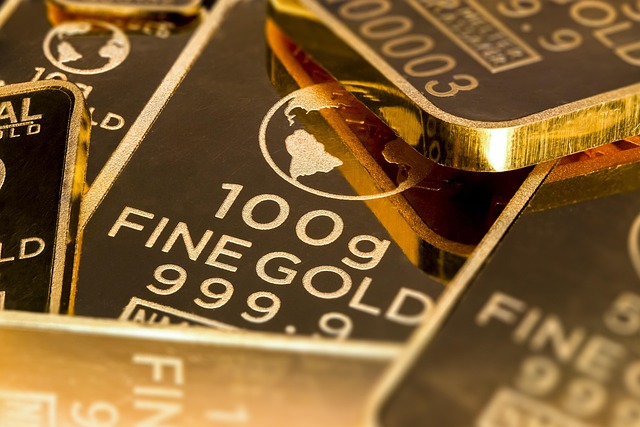
Uganda produces very little gold. And yet gold now accounts for more than half of the country total export earnings, with exports worth billions of dollars annually. The apparent contradiction lies at the heart of one of East Africa most intriguing and opaque economic phenomena.
In 2025, Uganda exported approximately 6.4 billion dollars worth of gold, according to trade data compiled by the Bank of Uganda. Gold overtook coffee — long Uganda largest legal export — as the country single biggest foreign exchange earner.
A Gold Export Powerhouse Despite Modest Production
The figures are startling for a country that, according to the Ministry of Energy and Mineral Development, produces only around two to three tonnes of gold domestically each year from small-scale mining operations concentrated in the Karamoja region and parts of western Uganda.
The gap between production and export figures points to a massive re-export trade — gold brought into Uganda from other countries, processed through its refineries, and re-sold to international buyers.
Where Is the Gold Coming From?
According to traders and government officials familiar with the trade, Uganda gold imports originate from multiple countries and regions, including Tanzania, the Democratic Republic of Congo, Rwanda, Kenya, and — according to some reports — as far as South America and the Middle East.
The primary conduit is Uganda network of gold refineries, most notably the African Gold Refinery in Entebbe, near Kampala. The refinery has the capacity to process significant volumes of gold and produce export-ready bullion with internationally recognised certification.
Regulatory Scrutiny
The opacity of the supply chain has attracted scrutiny from the Financial Action Task Force, the global anti-money laundering watchdog, which placed Uganda on its grey list in 2023 — citing concerns about the adequacy of controls on gold and other precious metal transactions.
A significant portion of Uganda exported gold ultimately ends up in the United Arab Emirates, Switzerland and India — three of the world largest gold markets and refining centres.
Government Position
Ugandan officials have defended the gold trade as legitimate commercial activity that supports thousands of jobs and generates vital foreign exchange. President Yoweri Museveni government has maintained that Uganda refineries operate within the law and that the country has been cooperating with international bodies to improve transparency.
The Bank of Uganda has acknowledged the need for stronger controls and says it is working to implement enhanced due diligence requirements for gold transactions.
The Road Ahead
Whether Uganda can sustain its gold export boom while satisfying international regulators remains uncertain. FATF delisting typically requires a sustained period of demonstrated compliance — a process that could take years.
For now, the gold trade continues to flow through Entebbe, lubricated by regional supply, international demand, and a regulatory framework still catching up to the scale of the business it has inadvertently enabled.