Zambia Declares Fuel Supply Emergency as Middle East War Drives Pump Prices to Crisis Levels

The Zambian government has declared the current fuel supply situation a national emergency, approving a package of tax cuts and subsidies designed to shield citizens and businesses from a sharp surge in international crude prices driven by the continuing Middle East conflict.
Information Minister Cornelius Mweetwa announced the measures on April 1st, saying cabinet had approved the zero-rating of value-added tax and the suspension of excise duty on both petrol and diesel imports for a period of three months. The measures took effect immediately.
“These measures are short-term interventions to mitigate the impact of escalating international crude oil prices on Zambia’s economy,” Mweetwa said at a press briefing in Lusaka. “The government stands ready to take further action where necessary to protect the economy and the welfare of citizens.”
Prices Jump Despite Interventions
Even with the tax relief package, fuel prices rose sharply in April. The country’s energy regulator announced that petrol would increase by 2.03% while diesel prices would jump by 28.09% — a stark illustration of the inflationary pressure building in Zambia’s economy.
“The latest upward adjustment in fuel prices reflects a strong cost-push shock in Zambia’s pricing system,” said Kelvin Chisanga, a Lusaka-based social economist. “In essence, this fuel price adjustment is more than a sectoral issue — it is a broad economic shock affecting households, businesses, and macroeconomic stability.”
The government said petrol prices would have been significantly higher without the tax interventions, warning that the increases could have had damaging consequences for the cost of living across the country.
Middle East War to Blame
Mweetwa directly linked the fuel crisis to the ongoing conflict in the Middle East, which has disrupted global oil supply chains and pushed international crude prices sharply higher. The disruption has been particularly severe since tanker traffic through the Strait of Hormuz — the world’s most critical oil chokepoint — has become increasingly unpredictable due to the Iran-Israel war.
Zambia, which imports virtually all of its refined petroleum products, has limited capacity to insulate its economy from external price shocks. The Zambian kwacha has also come under pressure as the country’s import bill swells.
Broader African Pattern
Zambia is not alone in feeling the squeeze. Across the continent, nations that rely on imported fuel are wrestling with pump price increases that are feeding into food costs, transport tariffs, and manufacturing expenses. The African Development Bank has warned that the Middle East conflict poses a significant downside risk to the continent’s economic growth outlook for 2026.
The Zambian government has urged citizens to report any opportunistic price-gouging by fuel retailers and has called on the competition commission to monitor the market closely.
Sources: Xinhua, Reuters, EcoFin Agency, African News, DW
More From Conflict & Security
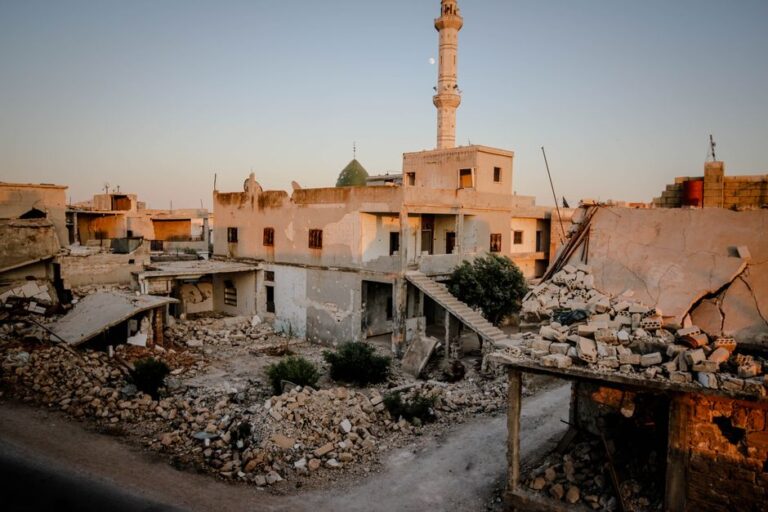
Sudan’s El-Obeid under intensifying drone strikes as army and RSF clash over key city

Liberia destroys over four tons of cocaine in major anti-trafficking operation