Nigeria Fuel Prices Jump 65% Despite Dangote Refinery Hopes — Fault Lines in Africa
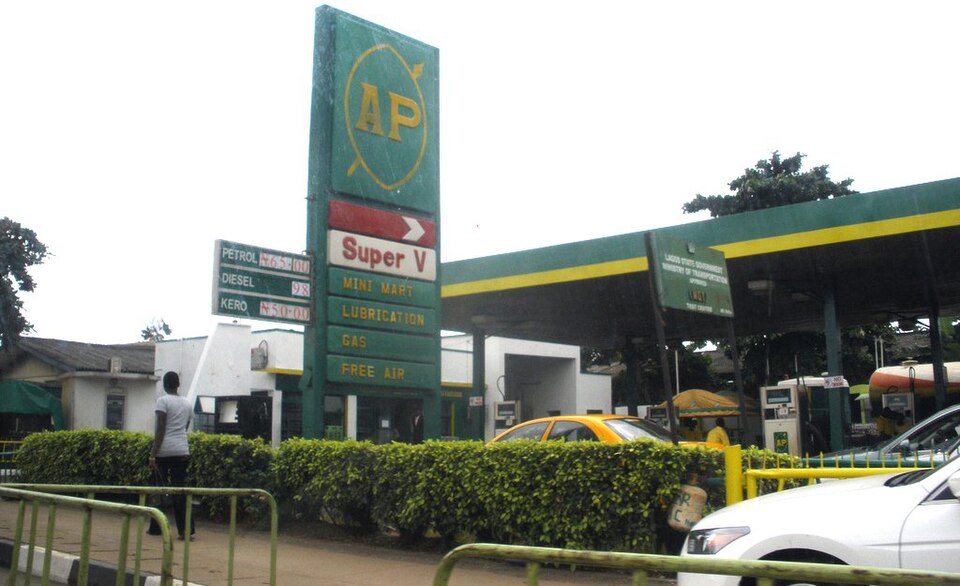
When Africa’s largest oil refinery finally came online, it was heralded as a turning point for Nigeria’s energy independence — a symbol of what the continent could achieve when African capital and African ambition combined to challenge the dominance of Western oil multinationals. Less than two years later, Nigeria is facing its steepest fuel price hike on record, with pump prices surging 65 percent as the Dangote Refinery grapples with a toxic mix of global crude cost increases, naira depreciation, and chronic domestic supply chain failures.
The paradox is striking: Nigeria, Africa’s top oil producer, finds itself paying some of the highest gasoline prices on the continent. The contradiction exposes the deep structural failures that have long plagued Nigeria’s downstream petroleum sector — failures that no single refinery, however massive, can easily fix.
A Refinery Without a Solution
The Dangote Refinery, located in the Lekki Free Zone near Lagos, has a processing capacity of 650,000 barrels per day, making it the largest single-train refinery in the world. Its launch was celebrated as a geopolitical event, with Nigerian President Bola Ahmed Tinubu and Indian business magnate Mukesh Ambani among those who attended its commissioning ceremony.
But refining crude oil is only part of the challenge. The Dangote Refinery, like any modern processing facility, needs a reliable supply of crude to run at capacity — and that crude must be paid for in dollars. With the Nigerian naira falling sharply against the dollar over the past year, the cost of importing crude has skyrocketed, eating into the refinery’s ability to price fuel affordably at home.
Meanwhile, Nigeria’s state-owned refineries — which have been dormant for years due to neglect and corruption — have yet to be brought back online, despite government promises. The result is a hybrid system in which Dangote, a private company, finds itself effectively acting as a price-setting monopolist in a market that lacks the regulatory infrastructure to enforce subsidized pricing.
The Human Cost
For ordinary Nigerians, the price surge has been devastating. Transport costs have risen sharply, pushing up the price of food and other essential goods. In a country where more than 80 million people live below the poverty line, every naira spent on fuel is a naira not spent on food, medicine, or education.
Market traders in Lagos told local media that they had been forced to pass on higher transport costs to consumers, leading to a noticeable drop in sales. “People are buying less,” said Chidinma Okonkwo, a food vendor in the Oshodi market. “When fuel goes up, everything goes up. My customers don’t have more money, so I sell less.”
In the north of the country, where insecurity and economic hardship are already acute, the price shock has added another layer of distress. Motorcycle taxis — the primary mode of transport for millions of working-class Nigerians — have raised fares, making it harder for people to commute to work or seek healthcare.
A Structural Problem, Not Just a Global One
While global oil price volatility and the ongoing Iran war have contributed to Nigeria’s fuel price crisis, analysts say the underlying causes run far deeper. Decades of mismanagement, corruption, and policy inconsistency have left Nigeria’s energy sector structurally unable to protect consumers from global shocks.
Nigeria’s fuel subsidy regime, which once kept pump prices artificially low, was partially dismantled under the Tinubu administration in 2023 — a move that brought Nigeria’s pricing in line with global markets but immediately exposed consumers to international volatility. The government argued that subsidies were regressive, benefiting wealthy Nigerians more than the poor, and that their removal would free up resources for targeted social programs. Those alternative programs, however, have yet to materialize in any meaningful form.
The country’s poor infrastructure — including inadequate pipelines, insufficient storage capacity, and a fragmented distribution network — means that even when refining capacity exists, moving fuel from refinery to pump is costly and lossy. Nigeria burns a significant portion of its crude oil exports and then imports refined products at much higher prices — an inefficient arrangement that no serious industrial strategy should tolerate.
What Needs to Change
For Nigeria to genuinely achieve energy security, analysts say the country needs far more than one large refinery. It needs a comprehensive downstream sector reform that includes functional state-owned refineries, a transparent and competitive pricing mechanism, massive investment in pipeline infrastructure, and a clear regulatory framework that attracts long-term capital.
It also needs to reckon with the paradox of being an oil producer with a fuel import problem. Nigeria’s state-owned NNPC has for years been the barrier, rather than enabler, of downstream development. Until the company is reformed — or broken up — its obstruction of genuine competition will continue to constrain Nigeria’s energy potential.
For now, however, Nigeria’s consumers are paying the price — literally — for failures that are decades in the making. The Dangote Refinery remains a remarkable achievement. But one refinery, however impressive, cannot solve a problem that is fundamentally political.