DR Congo Signs Deal to Host Third-Country Deportees from the United States

The Democratic Republic of Congo has agreed to receive third-country nationals deported from the United States under a new agreement with the Trump administration, the government in Kinshasa announced on Sunday, April 5, 2026. The deal positions Congo as the latest African nation to accept deportees as Washington accelerates its sweeping immigration enforcement campaign.
Under the terms of the agreement, the United States will fully fund the reception and temporary housing of deportees in facilities being prepared near Kinshasa, Congos capital. The Congolese government stressed that the arrangement carries no cost to the national budget, with all expenses covered by Washington.
A Deal Wrapped in Geopolitical Timing
The announcement comes alongside separate U.S. diplomatic efforts to broker a peace agreement between Congo and Rwanda, as well as negotiations guaranteeing American access to Congolese critical minerals – resources that have become increasingly strategic amid global competition for cobalt, lithium, and other components essential to clean energy and technology supply chains.
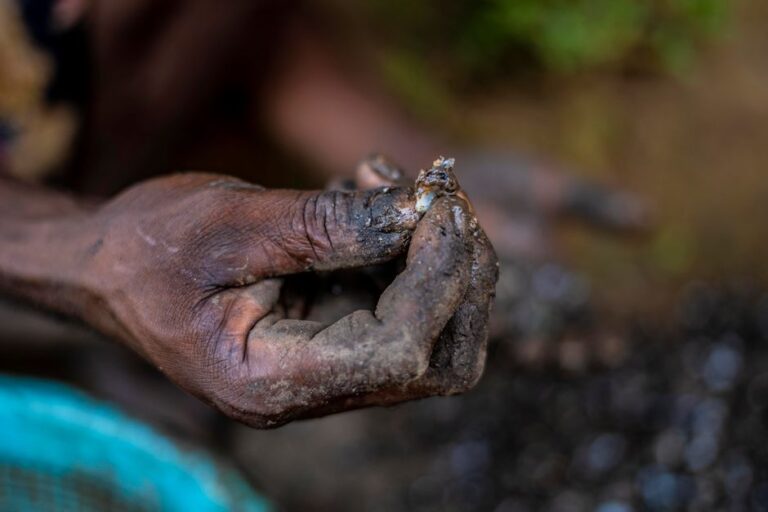
Congo is home to roughly 70 percent of the worlds cobalt reserves and sits on vast deposits of lithium and coltan – materials central to electric vehicle batteries and consumer electronics. The convergence of deportation policy and mineral access negotiations illustrates how migration has become intertwined with broader U.S. strategic interests on the continent.
An Expanding African List
The announcement places Congo alongside a growing roster of African nations that have accepted third-country deportees from the United States. Ghana, Cameroon, Equatorial Guinea, and Eswatini have all received deportees under similar arrangements in recent months. Human rights organizations and legal experts have widely criticized these agreements, arguing that recipient countries often lack the infrastructure to humanely process and care for deportees, and that the individuals sent – many of whom fled instability – may face renewed danger.
Congos own eastern regions remain ravaged by ongoing conflict involving the M23 rebel group, a Rwanda-backed militia whose advance has displaced more than a million civilians. Observers question how Kinshasa will manage an influx of additional people while managing multiple humanitarian crises simultaneously.
Domestic and International Scrutiny
The deal is likely to draw scrutiny from Congolese civil society and international organizations. Past reception arrangements in other African nations have been marred by reports of overcrowding, inadequate medical care, and delays in processing. Critics also point to the power imbalance inherent in such agreements: countries receiving deportees often have limited leverage to negotiate favorable conditions, given their economic vulnerabilities and, in some cases, existing reliance on U.S. aid and trade preferences.
The deportees due to arrive in Congo starting in April are described as third-country nationals – individuals who are not Congolese citizens but who were apprehended in the United States and designated for removal. Kinshasa did not disclose the number of people it agreed to accept under the deal.
The announcement adds to a rapidly evolving landscape for African nations navigating the intersection of U.S. immigration policy, geopolitical pressure, and their own development priorities. As the first deportees are expected to arrive within weeks, attention will now turn to whether Congos reception facilities meet basic humanitarian standards – and whether the human cost of these geopolitical calculations will fall on those with the least power to resist them.