Kenya’s Lamu Port Surges 974% as Middle East Crisis Reroutes Global Shipping
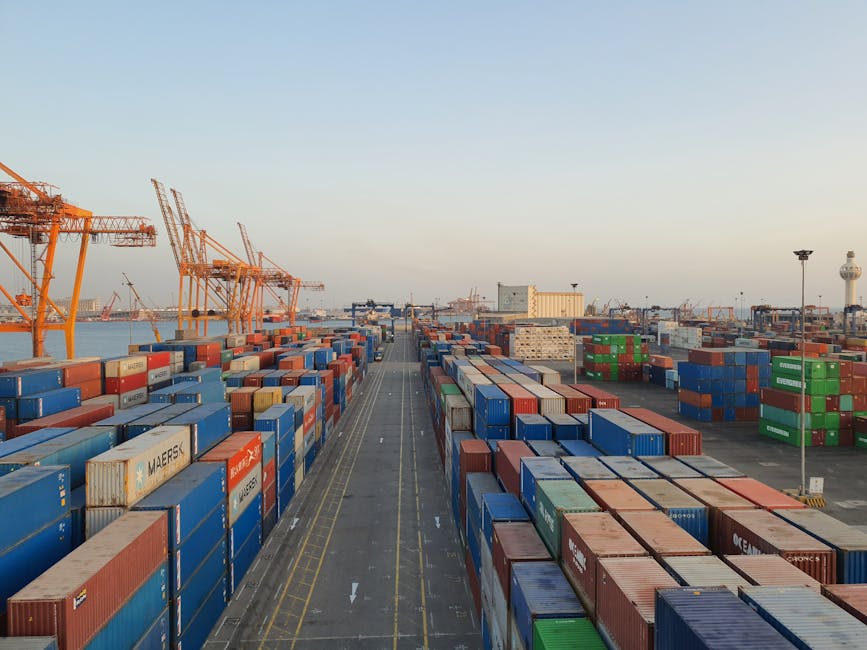
Kenya’s Lamu Port has emerged as one of the most consequential beneficiaries of the disruption to global shipping through the Strait of Hormuz, recording a staggering 974 percent increase in cargo throughput over the past year — transforming a chronically underutilized facility into a critical node on the world’s busiest trade rerouting corridor.
The numbers, released this week by the Kenya Ports Authority, reveal that Lamu handled just over 74,000 tonnes of cargo in 2024. In 2025, that figure leapt to nearly 800,000 tonnes. The surge, port officials say, is almost entirely attributable to shipping companies diverting away from routes through the Strait of Hormuz — the narrow maritime chokepoint between Oman and Iran that has become increasingly hazardous as the Israel-Iran conflict has escalated.
From Dormant Asset to Lifeline
Lamu Port, inaugurated in 2021 as the centerpiece of Kenya’s Lamu Port-South Sudan-Ethiopia Transport (LAPSSET) corridor, was long viewed as a white elephant — an ambitious infrastructure project built in anticipation of trade volumes that never materialized. For its first three years of operation, the port handled a fraction of its designed annual capacity of 23 million tonnes.
That changed almost overnight when shipping insurers began adding surcharges on vessels transiting near the Strait of Hormuz and the Gulf of Oman. Major carriers, including Mediterranean Shipping Company (MSC) and Maersk, began diverting Asia-Europe routes to use Cape of Good Hope and, increasingly, Lamu as a transshipment hub for East African cargo.
“We always knew Lamu had the potential,” said Joseph Awale, head of cargo operations at the port. “But nothing prepared us for this. We went from wondering if anyone would ever use this port to asking ourselves how we handle the volume.”
The Hormuz Crisis: Why Ships Are Avoiding the Persian Gulf
The Strait of Hormuz is the world’s most critical oil transit route, carrying roughly 20 percent of global oil shipments. Since the intensification of the Israel-Iran conflict in early 2026, the waterway has become a zone of active maritime risk. A series of incidents — including the seizure of tankers and the targeting of commercial vessels by Iranian-aligned forces — have prompted major shipping lines to avoid the route entirely.
For East Africa, the knock-on effects have been complex. Red Sea shipping has also been disrupted, leaving the Cape of Good Hope route as the primary fallback for Asia-Europe trade. But Cape routing adds 10–14 days to journey times and substantially increases costs. Lamu’s advantage is that it offers a viable transshipment alternative for cargo destined for East Africa, Kenya’s neighbors, and the African interior.
Ethiopia Eyes Lamu as Trade Lifeline
Perhaps the most strategically significant development has been Ethiopia’s growing reliance on Lamu. Landlocked Ethiopia, which signed a transit agreement with Kenya in 2024, has accelerated plans to route a significant share of its import and export trade through Lamu, reducing its historical dependence on the port of Djibouti.
Ethiopian Trade Minister Milkessa Wedebe confirmed this week that Ethiopia will begin construction of its side of the Lamu-Ethiopia Standard Gauge Railway link “within the current fiscal year” — a project long delayed by financing challenges but now prioritized given the urgency of securing alternative supply chains.
The Infrastructure Challenge
The sudden surge in demand has exposed the limits of Lamu’s supporting infrastructure. The port has adequate berths and crane capacity, but road and rail connections to the Kenyan interior and onward to Ethiopia remain incomplete. The already-delayed LAPSSET highway has been fast-tracked, with the Kenyan government announcing an emergency allocation of $400 million for road upgrades in the Lamu region.
Kenya’s government has also begun negotiating with private investors for the accelerated development of a logistics hub adjacent to the port, including cold storage facilities and a bulk cargo terminal.
Could Lamu Become East Africa’s Dubai?
Port analysts are now asking whether the current surge represents a temporary rerouting benefit or a permanent structural shift. Those arguing for the latter point to the growing political instability in the Red Sea and Gulf regions and to the strategic value for landlocked Ethiopia of a direct Indian Ocean outlet.
“If the infrastructure catch-up happens, Lamu has a real shot at becoming East Africa’s premier logistics hub,” said Amina Hassan, a maritime economist at the University of Nairobi. “The question is whether Kenya can build the connections fast enough to retain the confidence of shippers who’ve rediscovered this route.”
The Hormuz crisis shows no signs of abating, and shipping industry sources say carriers are preparing for a prolonged rerouting scenario — suggesting that Lamu’s moment in the global trade spotlight may be just beginning.
More From Conflict & Security

South Africa probes death of Nigerian man who collapsed during arrest

Arrest of Nigerian soldier over alleged links to criminals deepens scrutiny of military conduct