Rwanda Welcomes Home 214 Former Fighters from Eastern DRC in Landmark Reintegration Drive
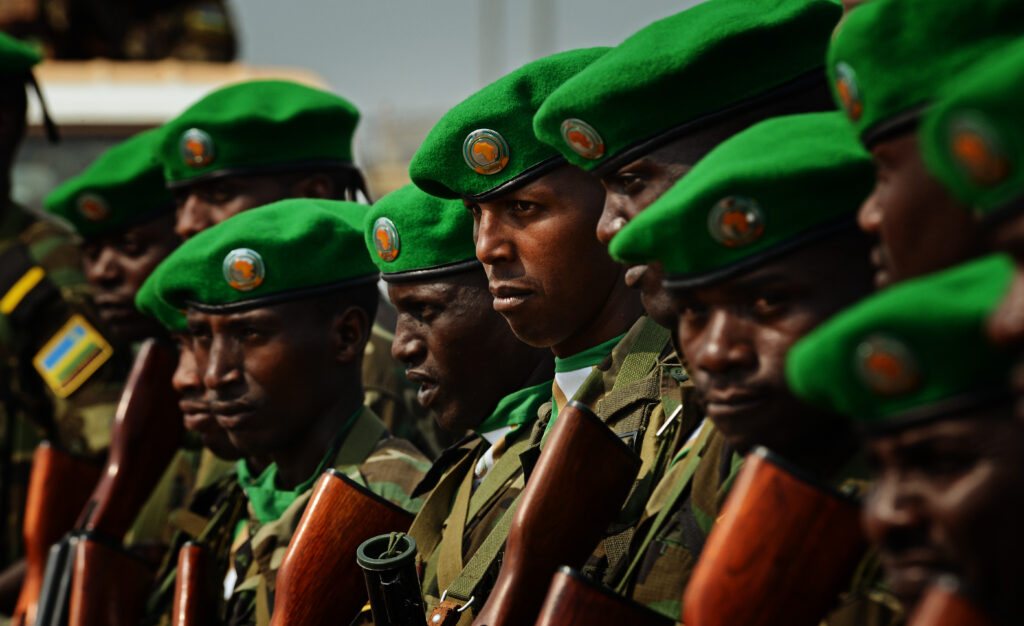
Rwanda has completed the reintegration of 214 individuals linked to armed groups operating in eastern Democratic Republic of Congo — including suspected members of the Democratic Forces for the Liberation of Rwanda (FDLR) — in one of the most significant voluntary return programs in the Great Lakes region in recent years. The group crossed into Rwanda through the Rubavu border point, underwent formal demobilization and screening before entering a government-run reintegration programme.
Of the 214 individuals, 94 were confirmed former fighters, 16 were categorized as civilians associated with armed groups, and 111 were family members, including women and children. The group was received at the Mutobo Reintegration Centre in Rubavu District.
A Second Chance and a Message
The successful reintegration of these individuals carries both a humanitarian and a political message. Former FDLR combatants who had already completed the programme were quick to issue their own appeal urging fighters still in the DRC to follow their example.
The FDLR Question
The FDLR is one of the most enduring and sensitive armed groups in the eastern DRC. Made up largely of Rwandan Hutu refugees — some of whom were involved in the 1994 genocide — the group has been the source of profound regional mistrust. Rwanda has long argued that the FDLR’s continued existence in DRC territory poses a security threat.
What Reintegration Looks Like
The Mutobo Centre has been operating since 2021 as Rwanda’s primary facility for processing and supporting the return of former combatants. Those who go through the programme receive medical care, trauma counselling, literacy and numeracy training, and vocational skills development.
A Regional Dynamic
The programme takes place against a complex regional backdrop. Tensions between Rwanda and the DRC remain high. The voluntary return of former combatants is a reminder that diplomacy and humanitarian action continue alongside political tensions.
More From Politics & Governance
DR Congo: Kinshasa residents voice mixed views on constitutional referendum law
Tunisians Mark Five Years of Emergency Rule With Renewed Calls for Saied to Step Down