Guinea-Bissau: Protests Erupt After Brutal Killing of Civil Society Activist Vigario Balanta
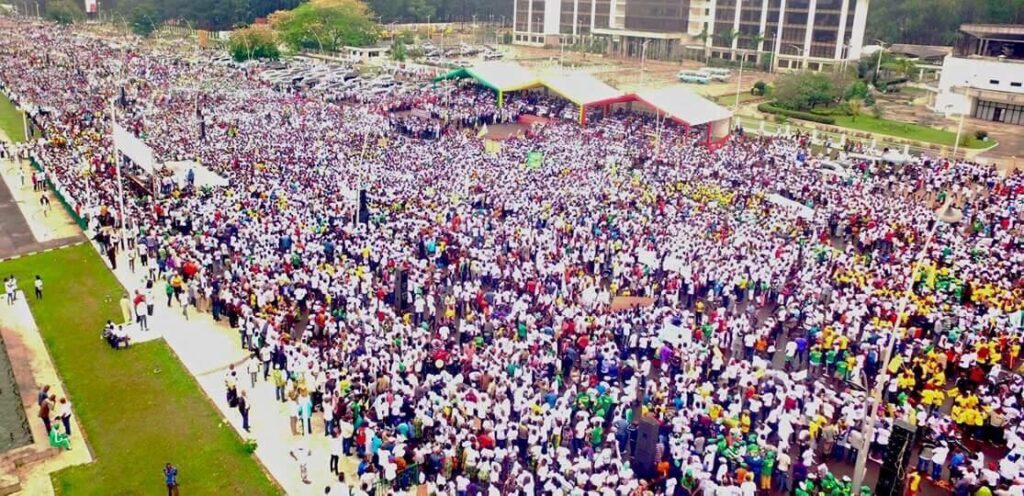
Protests erupted across Guinea-Bissau on Tuesday following the discovery of the battered body of Vigário Luís Balanta, a well-known civil society activist and vocal critic of the country’s military junta. The killing has sent shockwaves through Bissau and beyond, reigniting long-standing tensions between the junta-led government and independent voices demanding democratic accountability.
Balanta, 34, was found dead in a suburb of Bissau city. Images from the scene obtained by local media showed his body with visible injuries, torn clothing, and bloodstains. He had reportedly been missing for two days before his body was discovered. Authorities have yet to officially identify suspects or confirm a cause of death, though human rights organizations say the evidence points to a targeted killing.
A Voice Silenced
Balanta was a familiar figure in Bissau’s civil society circles — a man who never shied away from publicly challenging the junta’s record. He organized community meetings, wrote opinion pieces criticizing military interference in politics, and helped coordinate citizen monitoring of government activities.
The timing of his death is loaded with significance. Just days earlier, hundreds of Bissau-Guineans had taken to the streets calling for the release of Domingos Simões Pereira, the head of the PAIGC party who was detained following a disputed election in 2024.
The UN Responds
The United Nations mission in Guinea-Bissau issued a statement expressing shock at what it called the "brutal killing" of Balanta, urging authorities to launch a thorough and transparent investigation. Human rights groups have demanded an independent international investigation.
The Regional Context
Guinea-Bissau has been in political freefall for years. The country — historically known for its political instability and drug trafficking links — has seen multiple coups and constitutional crises. The current military junta, which seized power following the 2024 election dispute, has repeatedly promised a return to civilian rule, but those promises ring increasingly hollow.
What Comes Next
As protests continue in Bissau, the international community is watching closely. The African Union, ECOWAS, and the European Union have all issued statements urging restraint and demanding justice.