Uganda’s Free Education Push: Half a Million Children Could Be Left Behind as Gulu Nursery Crisis Deepens
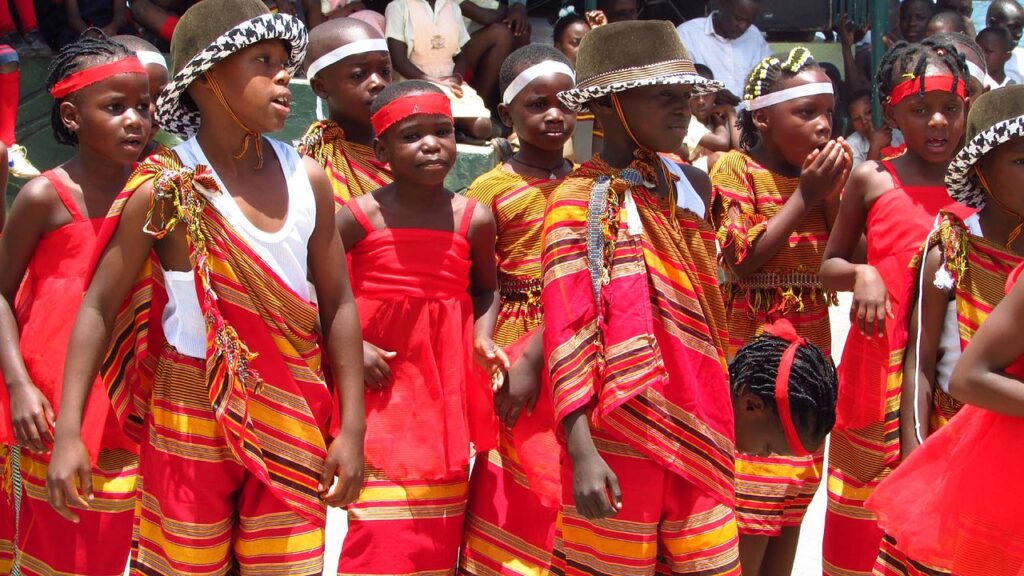
GULU, Uganda — When Agnes Akurut steps into the muddy compound where her community’s unofficial nursery school operates, she carries more than lesson plans. She carries the weight of nearly half a million children across Uganda who are at risk of being shut out of early childhood education as the country’s push to expand free universal education collides with a severe shortage of physical space.
Uganda’s initiative to provide free education for all children at the nursery and primary levels has been widely praised as a bold step toward universal literacy. But as thousands of children like those in Akurut’s care arrived for classes this year, the system revealed a fundamental flaw: the infrastructure was never built to absorb this volume of learners, especially at the earliest levels.
Community leaders in Gulu say the gap between policy ambition and classroom reality is becoming impossible to bridge without urgent government intervention.
“We have children sitting on floors. We have one teacher managing sixty children between the ages of three and six,” said Robert Lakwo, a community education advocate in the Acholi sub-region. “The free education policy is a wonderful idea, but without buildings, without materials, and without trained early childhood teachers, it cannot work as intended.”
The crisis is particularly acute in northern Uganda, where years of conflict and displacement left educational infrastructure chronically underfunded. While the government has invested in primary school construction, nursery and early childhood education centers — which are not mandatory under Ugandan law — have received far less attention.
Data from the Uganda National Examination Board suggests that fewer than 40% of children in rural northern Uganda have access to any form of organized early childhood education before entering Primary One. That puts them at a significant disadvantage from the very first year of formal schooling.
International development partners have called for a coordinated response. UNICEF, which supports several early childhood development programs in the region, has urged the Ugandan government to treat nursery education as a strategic investment rather than an optional add-on.
“The evidence is overwhelming,” said a spokesperson for the UN agency in Kampala. “Children who receive quality early childhood education are far more likely to stay in school, perform better academically, and break cycles of poverty. What we are seeing in Gulu and across the north is a wake-up call.”
For Akurut and the children under her care, the debate in Kampala’s ministry corridors feels far removed from the daily reality of a muddy compound and hand-drawn flashcards. But she continues to show up, believing that even imperfect beginnings can change lives.
Image: School children in Uganda. Photo via Wikimedia Commons (CC BY-SA).
More From Conflict & Security

The anxious money wait: Why African soccer fans dread payment disputes before major tournaments like the Fifa World Cup

How the US-Israel-Iran conflict is reshaping South Africa’s coal exports