Burkina Faso Security Forces Responsible for More Civilian Deaths Than Jihadists, Says HRW

OUAGADOUGOU, Burkina Faso — A sweeping new report from Human Rights Watch has found that Burkina Faso’s own security forces and allied militias are responsible for more civilian deaths than jihadist militant groups over a two-year period, documenting what the organization describes as a pattern of systematic abuses that amount to war crimes and crimes against humanity. The 316-page study, based on more than 450 interviews as well as verified social media content and satellite imagery, covers the period from January 2023 to August 2025.

According to the report, at least 1,837 civilians were killed across 57 incidents of violence during the period examined. Of those, government forces and their allies were responsible for approximately 1,255 deaths — more than double the number attributed to militant groups including Jama’at Nusrat al-Islam wal-Muslimin, al-Qaeda’s Sahelian affiliate. Human Rights Watch says its researchers documented at least 33 incidents directly attributable to state actors.

The findings challenge a central narrative promoted by the ruling military junta, which came to power in a 2022 coup and has consistently framed its campaign as a battle against terrorist forces. Senior researcher Ilaria Allegrozzi said the evidence points to a security force that “appears to be more brutal and violent” than the militant groups it claims to be fighting.

The Fulani ethnic group, a traditionally semi-nomadic pastoralist community numbering approximately 1.8 million people — roughly 8.5% of Burkina Faso’s population — appears to have been disproportionately targeted. HRW says the pattern of attacks on Fulani villages, combined with statements from senior government officials, suggests that ethnic cleansing of Fulani civilians is effectively official policy, even if not formally codified.

The junta has previously denied allegations of extrajudicial killings by security forces, insisting that those killed by state actors were exclusively terrorists. The government has also presided over the expulsion of French troops from the country and moved toward closer security ties with Russia, while systematically restricting media access and civil society space inside Burkina Faso.

More than 60% of Burkina Faso’s territory is currently outside government control. An estimated 2.1 million people have been displaced from their homes, and almost 6.5 million require humanitarian assistance to survive — a humanitarian crisis that the international community has struggled to address given the security environment.

Human Rights Watch warned that government-sponsored violence against civilian populations risks inadvertently strengthening the very militant groups it seeks to defeat, by alienating communities and creating recruitment opportunities for armed groups that present themselves as defenders of marginalized populations. The report called on international partners providing security assistance to Burkina Faso to condition their support on human rights compliance.

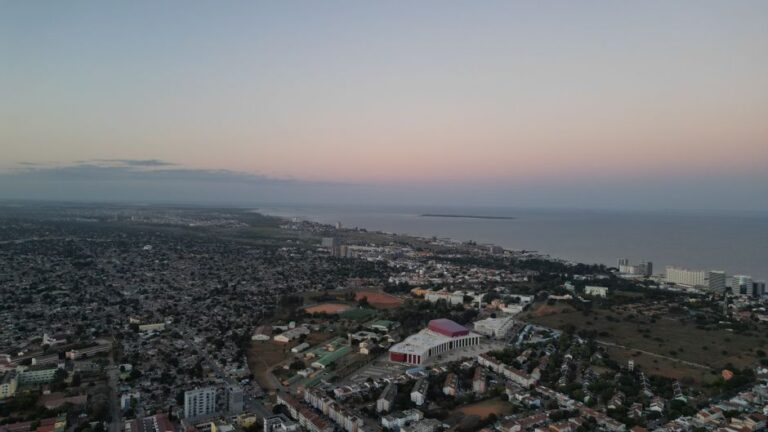
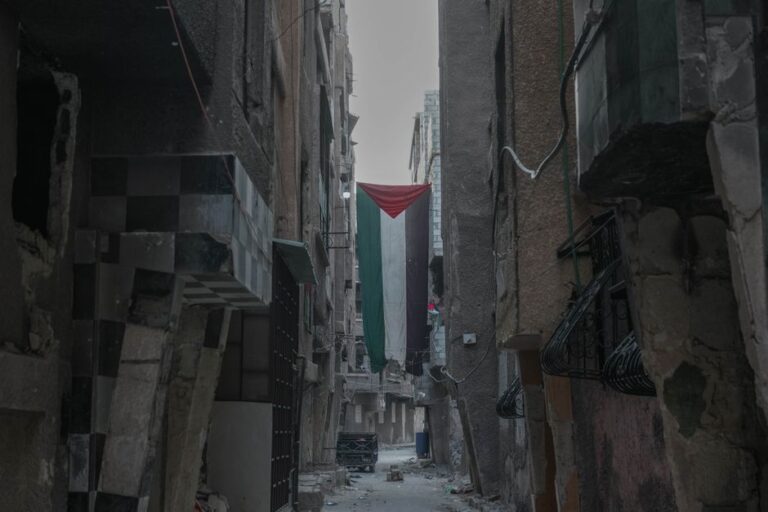
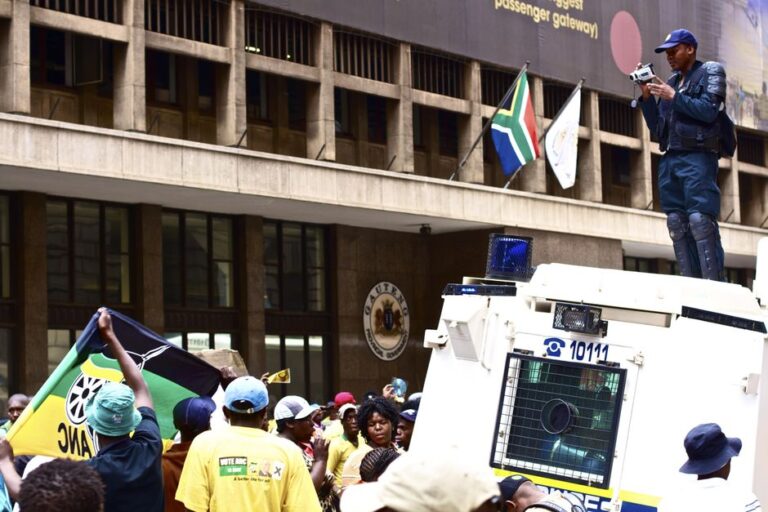
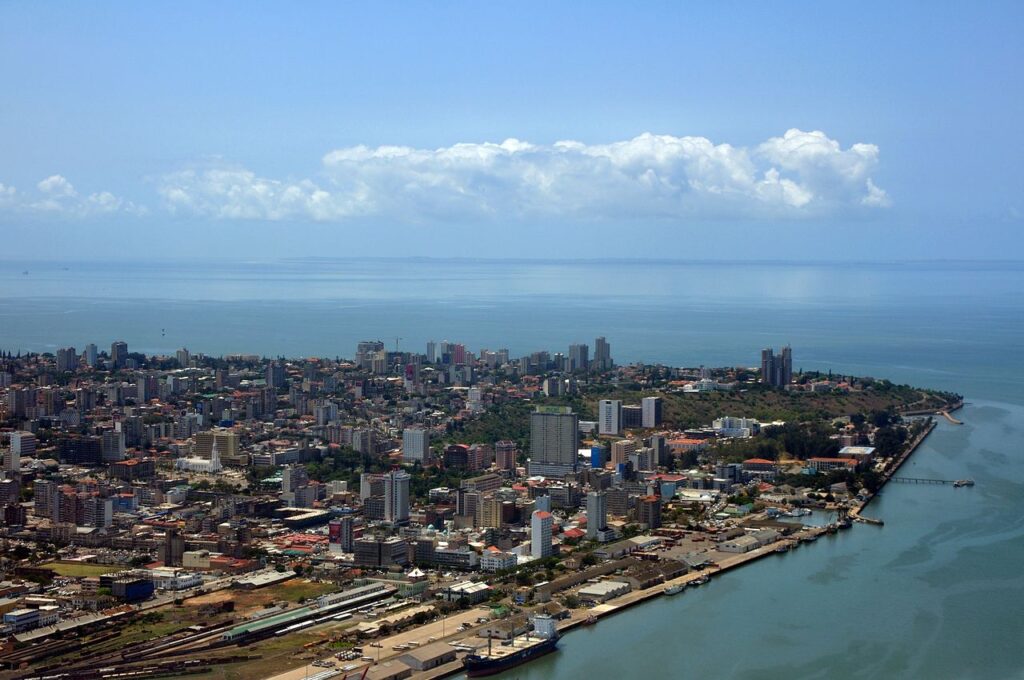
Image: File photo depicting the Sahel region context. Photo via Wikimedia Commons (CC BY-SA).

Burkina Faso Security Forces Responsible for More Civilian Deaths Than Jihadists, Says HRW

OUAGADOUGOU, Burkina Faso — A sweeping new report from Human Rights Watch has found that Burkina Faso’s own security forces and allied militias are responsible for more civilian deaths than jihadist militant groups over a two-year period, documenting what the organization describes as a pattern of systematic abuses that amount to war crimes and crimes against humanity. The 316-page study, based on more than 450 interviews as well as verified social media content and satellite imagery, covers the period from January 2023 to August 2025.

According to the report, at least 1,837 civilians were killed across 57 incidents of violence during the period examined. Of those, government forces and their allies were responsible for approximately 1,255 deaths — more than double the number attributed to militant groups including Jama’at Nusrat al-Islam wal-Muslimin, al-Qaeda’s Sahelian affiliate. Human Rights Watch says its researchers documented at least 33 incidents directly attributable to state actors.

The findings challenge a central narrative promoted by the ruling military junta, which came to power in a 2022 coup and has consistently framed its campaign as a battle against terrorist forces. Senior researcher Ilaria Allegrozzi said the evidence points to a security force that “appears to be more brutal and violent” than the militant groups it claims to be fighting.

The Fulani ethnic group, a traditionally semi-nomadic pastoralist community numbering approximately 1.8 million people — roughly 8.5% of Burkina Faso’s population — appears to have been disproportionately targeted. HRW says the pattern of attacks on Fulani villages, combined with statements from senior government officials, suggests that ethnic cleansing of Fulani civilians is effectively official policy, even if not formally codified.

The junta has previously denied allegations of extrajudicial killings by security forces, insisting that those killed by state actors were exclusively terrorists. The government has also presided over the expulsion of French troops from the country and moved toward closer security ties with Russia, while systematically restricting media access and civil society space inside Burkina Faso.

More than 60% of Burkina Faso’s territory is currently outside government control. An estimated 2.1 million people have been displaced from their homes, and almost 6.5 million require humanitarian assistance to survive — a humanitarian crisis that the international community has struggled to address given the security environment.

Human Rights Watch warned that government-sponsored violence against civilian populations risks inadvertently strengthening the very militant groups it seeks to defeat, by alienating communities and creating recruitment opportunities for armed groups that present themselves as defenders of marginalized populations. The report called on international partners providing security assistance to Burkina Faso to condition their support on human rights compliance.

Image: File photo depicting the Sahel region context. Photo via Wikimedia Commons (CC BY-SA).