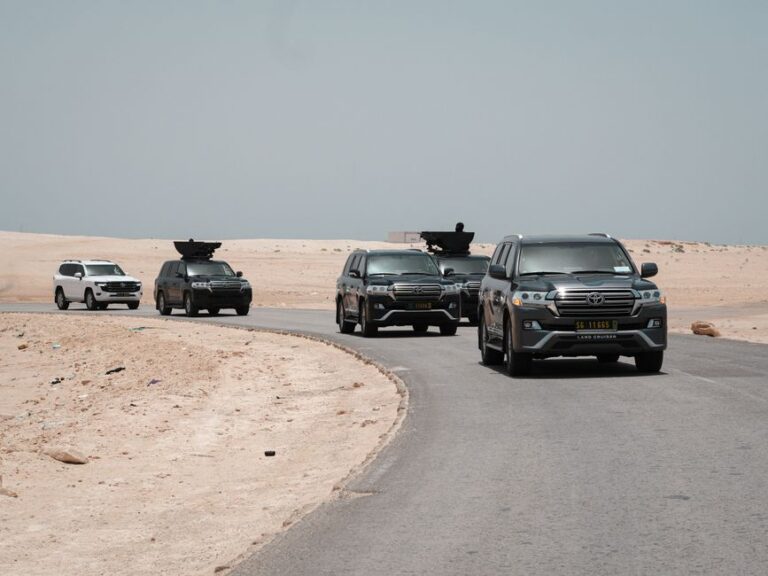
Rwanda Threatens to Withdraw Counterinsurgency Troops from Mozambique

Rwanda has issued a pointed warning to Mozambique, threatening to withdraw its military contingent that has been instrumental in fighting Islamic State-linked insurgents in northern Cabo Delgado province, according to diplomatic sources and regional media reports from April 2026. The threat comes amid rising tensions between the two governments over command arrangements, the handling of captured fighters, and disagreements about the post-conflict political landscape in the region.
Rwanda deployment to Mozambique began in 2021 at the invitation of the Maputo government, which was struggling to contain a spiralling insurgency that had seized large swaths of territory and displaced more than one million people. Rwandan forces, together with troops from Mozambique and a SADC mission, have recaptured most major towns and significantly degraded the insurgents operational capacity.
A Critical Military Partnership at Risk
The potential withdrawal of Rwandan troops represents a serious strategic concern for Mozambique. Rwandan forces are considered the most capable and cohesive unit in the joint campaign, having developed extensive intelligence networks and local community relationships in Cabo Delgado. Their departure could leave a vacuum that insurgents might exploit.
"Rwanda forces have been the backbone of the counter-insurgency effort," said Dr. José Maria, a security analyst at the Institute of Social and Political Studies in Maputo. "Without them, the gains of the past three years could unravel very quickly."
The precise trigger for Rwanda ultimatum remains unclear, but sources indicate that disagreements over the treatment of ADF prisoners captured during operations — specifically, whether they should be handed to Mozambican authorities, tried in Rwanda, or transferred to an international tribunal — have been a major point of contention. Rwanda has been reluctant to release captured fighters into Mozambican custody, citing concerns about intelligence security and the risk of escapes.
Political Dimensions
Beyond military questions, there are deepening political differences between Kigali and certain factions within Mozambique ruling FRELIMO party. Rwandan officials have reportedly been frustrated by what they perceive as ingratitude and a lack of commitment to long-term security cooperation.
Mozambique President Daniel Chapo has sought to mend fences, dispatching a special envoy to Kigali. The African Union and SADC have both urged Rwanda to reconsider, warning that a withdrawal would play into the hands of ISCAP militants who remain active in the region.
Regional Security at Stake
The Rwanda-Mozambique military partnership has been closely watched by other African nations facing jihadist insurgencies, including Tanzania, the Democratic Republic of Congo, and Kenya. Rwanda approach — combining kinetic military operations with community engagement and intelligence-led tactics — has been studied as a potential model for the region.
If Rwanda follows through on its threat, it would mark a significant setback for regional security cooperation and could encourage ISCAP to regroup. For the people of Cabo Delgado, who have endured years of violence and displacement, the prospect of renewed instability is deeply alarming.
"We are just beginning to rebuild our lives," said one resident of the town of Mocimba da Praia. "If the soldiers leave, we don know what will happen to us."
Source: AP News
More From Conflict & Security
South Africa probes death of Nigerian man who collapsed during arrest
Arrest of Nigerian soldier over alleged links to criminals deepens scrutiny of military conduct