Senegal’s Hard Line: What the New Anti-LGBT Law Means for the Country and the Region
Dakar, Senegal — When President Bassirou Diomaye Faye signed the revised penal code into law on March 31, 2026, the change was striking in its severity. Same-sex relations, which were already criminalised under Senegal’s colonial-era penal code, now carry a maximum sentence of 10 years imprisonment — double the previous maximum. The law also extends criminal liability to allies, advocates, and organisations deemed to promote homosexuality. It is the harshest anti-LGBT legislation in West Africa, and one of the most severe on the African continent.
The signing came after an expedited parliamentary process that Human Rights Watch described as “deeply troubling” and a coalition of Senegalese NGOs called “a setback of historic proportions.” For many in Senegal’s small but visible LGBT community, the law has changed daily life in tangible ways: community members describe going further underground, cancelling planned gatherings, and in some cases leaving the country.
The Political Context
Senegal has long occupied a complex position on the question of homosexuality. Same-sex relations were technically illegal under the penal code inherited from French colonial rule, but enforcement was intermittent and often tied to political winds. In recent years, however, anti-LGBT sentiment has been weaponised in electoral politics, with several prominent politicians using homosexuality as a rallying issue to consolidate conservative voter bases.
The new law goes beyond mere symbolic conservatism. It includes provisions that critics say are deliberately designed to suppress advocacy and civil society activity. Organisations that “promote” homosexuality — broadly defined to include human rights work, health services targeting MSM (men who have sex with men), or public health research — can be dissolved and their leaders imprisoned. This has sent a chill through Senegal’s NGO sector, including organisations working on HIV/AIDS prevention, which rely on outreach to populations that are criminalised under the new law.
Regional Comparisons
Senegal’s new law stands in stark contrast to trends elsewhere on the continent. While Africa remains broadly conservative on questions of sexuality, several nations have moved in the opposite direction. Angola decriminalised same-sex relationships in 2021. Mozambique and Lesotho have taken incremental steps toward greater legal protections. Botswana’s High Court ruled in 2019 that sodomy laws are unconstitutional, a decision that, while imperfectly implemented, marked a significant precedent.
Even within West Africa, Senegal is an outlier. Ghana, despite its own conservative political environment, has not moved to significantly tighten its laws in recent years. Nigeria has severe anti-sodomy statutes in the north under Sharia law and in the south under the penal code — but the Nigerian context is complex and varies significantly by jurisdiction. Senegal’s federal-level, uniform 10-year minimum has few equivalents.
International Reactions
The law has drawn sharp criticism from Western governments and international human rights organisations. The United States State Department issued a statement calling the law “a grave violation of human rights and fundamental freedoms.” The European Union’s foreign policy chief said the bloc would review its development assistance programmes in light of the legislation. Several UN Special Rapporteurs issued a joint statement calling on Senegal to repeal provisions that criminalise advocacy and civil society work.
Senegal’s government has rebuffed the criticism, with the Justice Minister describing it as “outside interference in our sovereign legislative process” and arguing that the law reflects the “deep values” of Senegalese society.
The Public Health Shadow
Perhaps the most immediate and measurable consequence of the new law is its impact on public health. Senegal has made significant progress in recent years in expanding HIV testing and treatment programmes. But health workers warn that the new legislation threatens to unravel that progress by driving key populations — men who have sex with men, sex workers — away from the health services they need.
Community health organisations say they are already seeing evidence of reduced clinic attendance and increased reluctance to engage with outreach workers. With criminal liability now extending to those who “promote” homosexuality, even providing accurate sexual health information has become legally fraught. The law, health workers argue, does not just punish sexuality — it creates a climate of fear that endangers public health more broadly.
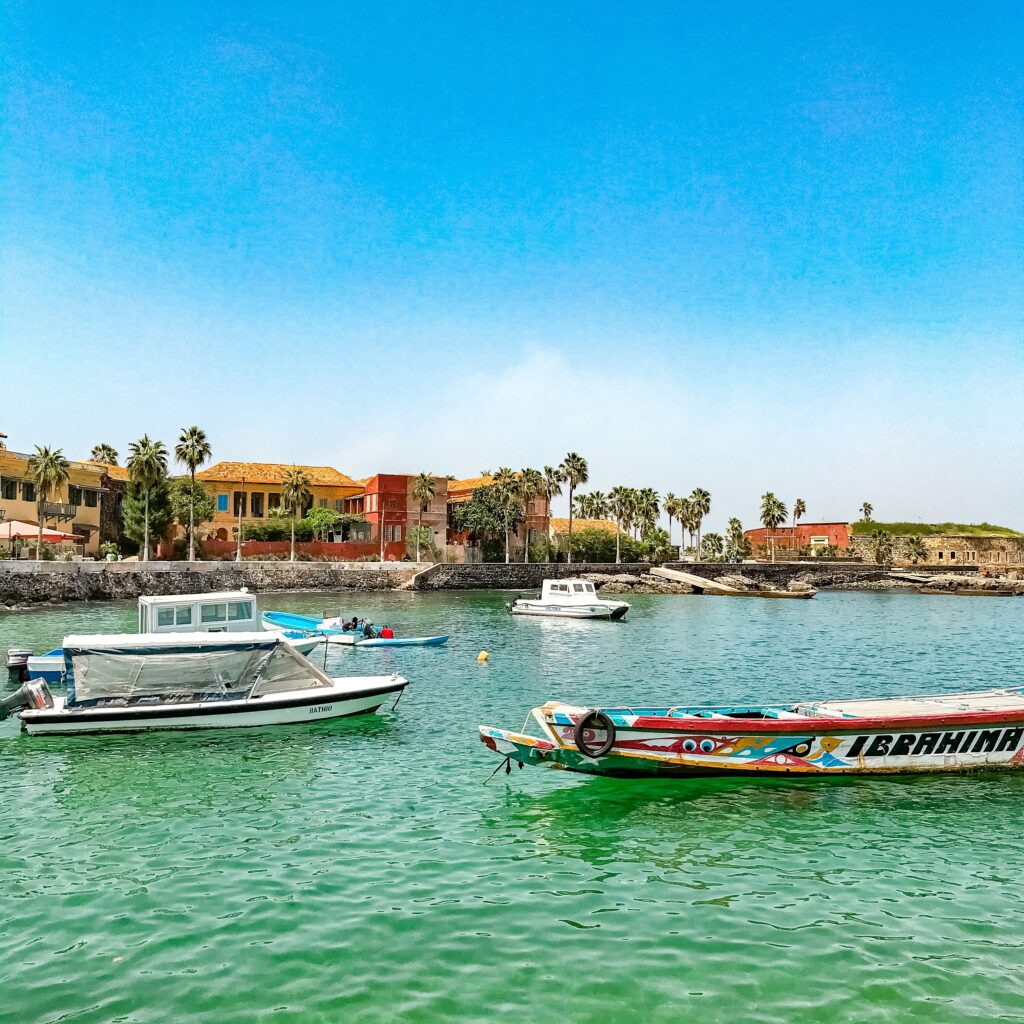
Image: Goree Island, Senegal — Wikimedia Commons