Dangote proposes 30% stake for East African nations in planned $15bn refinery
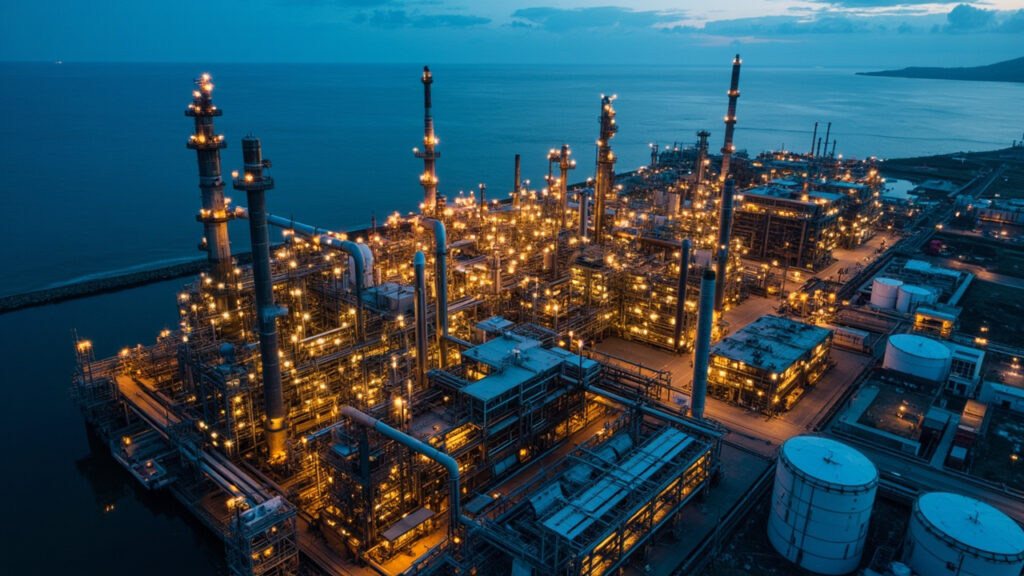
The Dangote Group is offering East African governments a combined 30 percent stake in a planned oil refinery that would process 700,000 barrels of crude per day, according to Semafor.
The proposed facility would cost more than $15 billion to build, Semafor reported, making it one of the most ambitious energy projects yet pursued by a private African industrial group. The offer of a significant minority share to East African states signals an effort to anchor the project regionally rather than drawing entirely on domestic Nigerian capacity.
Dangote’s energy ambitions
The Dangote Group, founded and led by Nigerian billionaire Aliko Dangote, is best known for its dominance of Africa’s cement market. The company is currently bringing online the Dangote Petroleum Refinery in Lekki, Lagos, a 650,000-barrel-per-day facility that, once fully operational, is expected to rank among the largest single-site refineries in the world. The Lagos project has been positioned as a means of reducing African dependence on imported petroleum products, much of which currently arrives from Europe and the Middle East.
Aliko Dangote has consistently ranked among the wealthiest individuals on the continent, with industrial interests spanning cement, sugar, flour and fertiliser production. The Lagos refinery has been a flagship project for the group, and its development has drawn attention from governments across Africa seeking to cut fuel import bills.
Regional outreach
Offering equity to East African nations reflects a broader push by African industrialists to develop cross-border energy infrastructure. Several countries in the region remain net importers of refined fuel despite producing or transiting crude oil, and analysts have long argued that localised refining capacity could ease foreign-exchange pressures and stabilise supplies.
Details of which East African countries have been approached, and how the proposed stake would be divided among them, were not disclosed in the Semafor report.
Sources
This report was written from coverage published by the following news organisations. Follow the links for the original reporting.
- Semafor — Dangote offers East African countries a 30% stake in new refinery
- AllAfrica — Nigeria: Dangote Refinery Expands Free Fuel Delivery to Kano, Imo, Others, Targets Lower Pump Prices
- U.S. Energy Information Administration (EIA) (.gov) — Dangote refinery drives increase in petroleum shipments from Nigeria