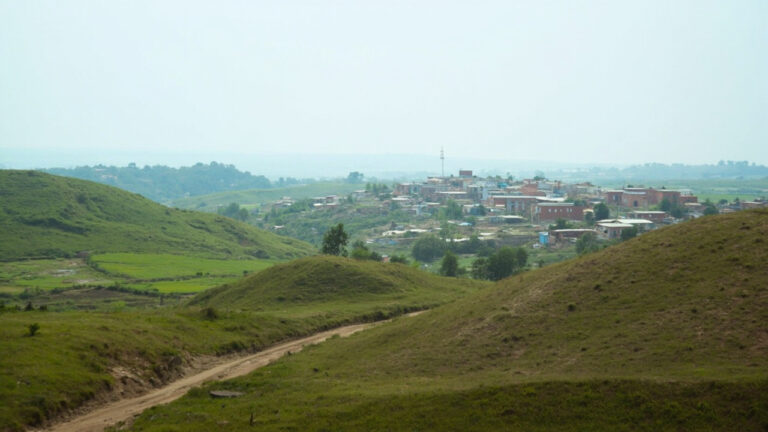
First migrants buried in Ceuta after deadly border crossing into Spanish enclave
The first burials of migrants killed during a deadly rush at the border of Spain’s North African enclave of Ceuta have taken place, according to Arab News. The deaths have drawn renewed attention to one of the most heavily fortified land borders between Africa and Europe.
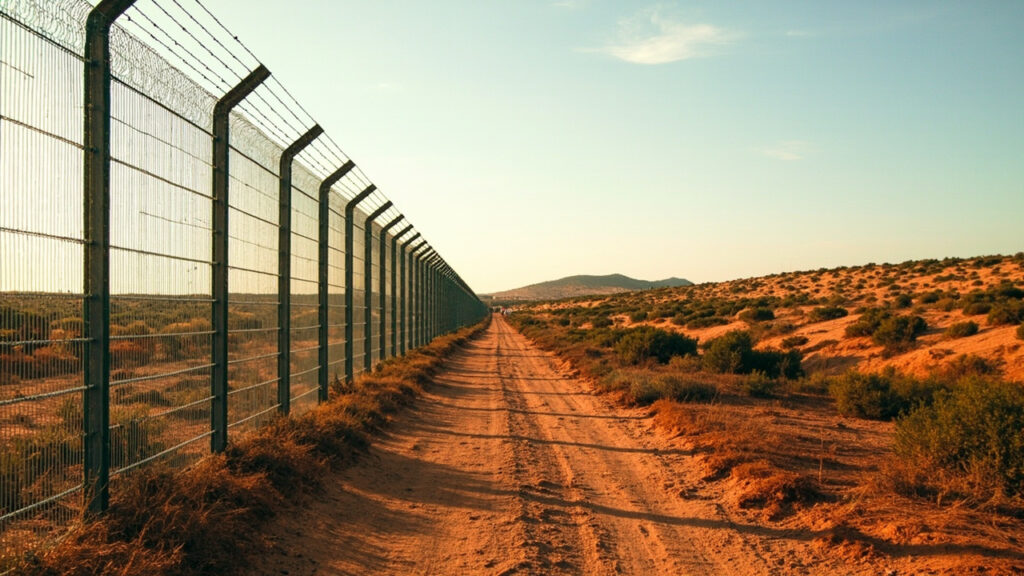
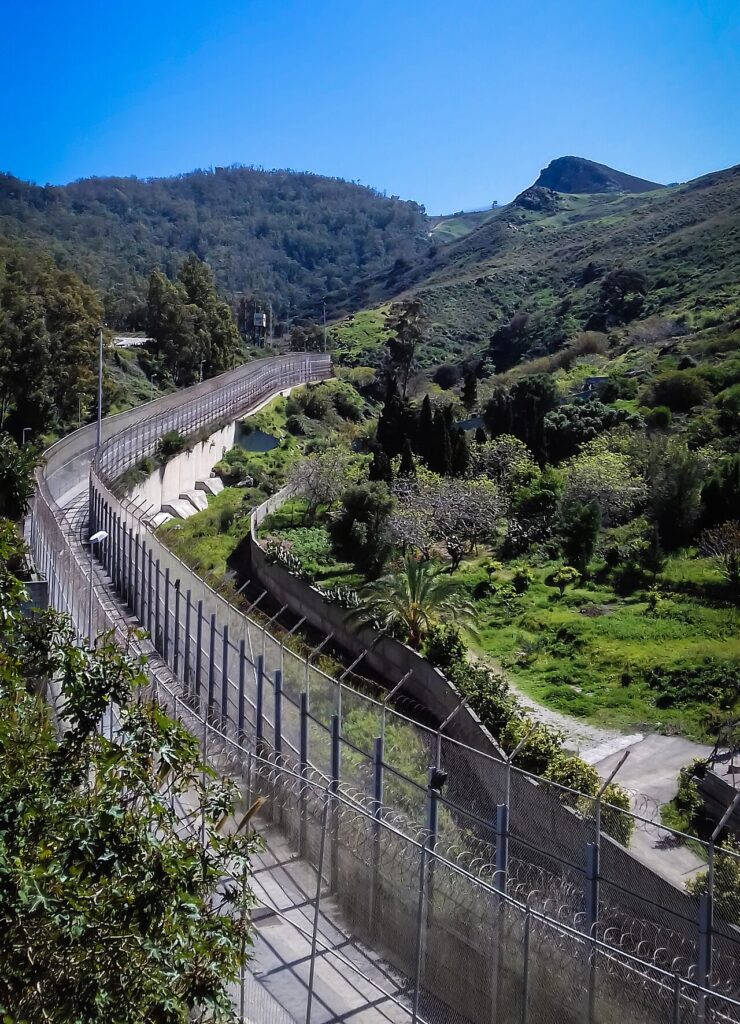
Ceuta, along with the neighbouring Spanish enclave of Melilla, has long been a focal point in the migration route from sub-Saharan and North Africa toward European territory. The two cities sit on the northern coast of Morocco, separated from the rest of the African continent by a perimeter of double fences stretching several kilometres. Migrants attempting to reach Spanish soil must either climb over these fences, swim along the coastline, or, in some cases, enter through authorised border posts in larger groups that overwhelm border guards.
A long record of border incidents
Deadly incidents at the Ceuta and Melilla frontiers have been documented for more than two decades. In 2005, several migrants were killed during a coordinated attempt to scale the fences near Melilla, an episode that drew international condemnation and remains a reference point in European debates over border policy. Smaller-scale fatalities occur regularly, often involving individuals who fall from the fences, drown in the surrounding waters, or are injured in the chaos of mass crossings.
Spain and Morocco have, at various points, cooperated on migration management through agreements that have included the deployment of Moroccan auxiliary forces near the frontier and joint operations to dismantle smuggling networks. The relationship has at times fluctuated with broader diplomatic tensions between Madrid and Rabat, with migration enforcement often tied to wider political disputes.
Broader migration context
The enclaves remain symbolic of the wider challenges facing European immigration policy. The International Organization for Migration has repeatedly noted that the Mediterranean remains one of the world’s deadliest migration routes, with fatalities recorded both at sea and along land borders. For African migrants, Ceuta and Melilla represent one of the few land entry points into the European Union, which has made their perimeters among the most closely watched sections of border in the world.
As Arab News reported, the latest burials mark a moment of mourning in Ceuta and underscore the human cost that continues to accompany efforts to reach European soil from Africa.
Sources
This report was written from coverage published by the following news organisations. Follow the links for the original reporting.