

Sudan’s Civil War and the Feminist Resistance
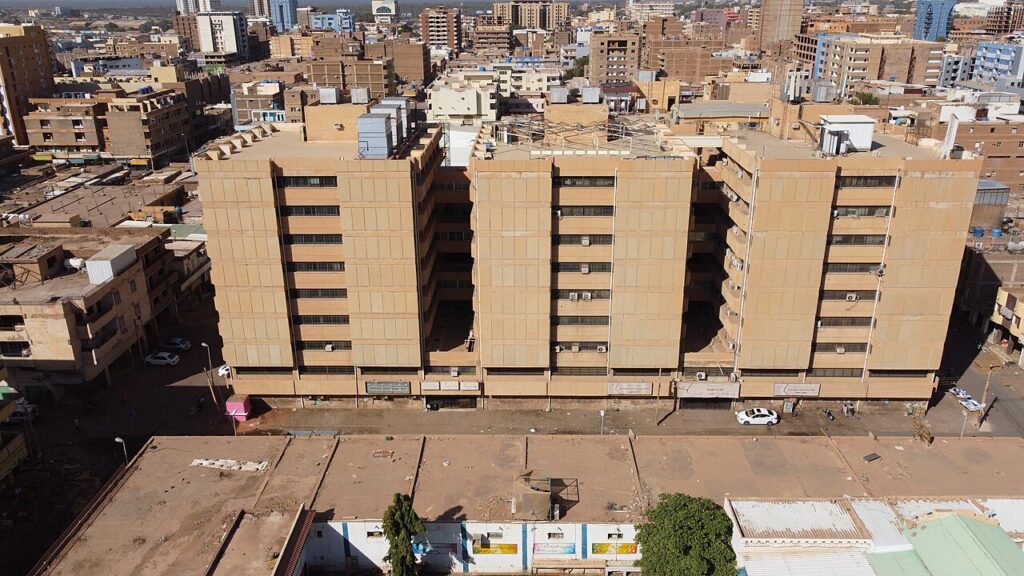
Nearly two years after fighting erupted between Sudan’s armed forces and the paramilitary Rapid Support Forces in April 2023, women across the country have remained central to civilian resistance efforts, according to the Freedom Socialist Party.
A war with no clear end
The conflict began on 15 April 2023 when tensions between the Sudanese Armed Forces, led by General Abdel Fattah al-Burhan, and the RSF, commanded by Mohamed Hamdan Dagalo, known as Hemedti, broke into open warfare. Fighting has since engulfed Khartoum, the Darfur region and parts of Kordofan, producing one of the world’s largest displacement and hunger emergencies. Multiple mediation efforts, including those backed by the United States and Saudi Arabia, have so far failed to produce a lasting ceasefire.
Women and a revolutionary tradition
Sudanese women played a visible role in the 2019 uprising that forced long-time ruler Omar al-Bashir from power and shaped the country’s subsequent political transition. That tradition of grassroots mobilisation has carried into the war period, with women joining the neighbourhood resistance committees that emerged during the revolution. As the Freedom Socialist Party reported, women have continued to organise against the war even as the civilian transition those committees championed has stalled.
Civic organising amid conflict
With state institutions weakened or destroyed in the fighting, women’s networks have taken on emergency relief work, including the coordination of community kitchens, the documentation of abuses and aid distribution in displacement areas. International rights bodies have repeatedly flagged the heightened exposure of women and girls to displacement and gender-based violence during the conflict. Sudanese feminist groups, both inside the country and in the diaspora, have continued to call for a civilian-led transition rather than a return to military rule.
The persistence of these networks has drawn attention to a longer-running question in Sudanese politics: what political order might eventually replace two decades of military-dominated government.
Sources
This report was written from coverage published by the following news organisations. Follow the links for the original reporting.
- Freedom Socialist Party — Sudan’s civil war and the feminist resistance
More From Society & Culture
Nigeria: 101-year-old great-grandmother arrested over cannabis sales

From cardboard to cosplay: inside Nairobi’s growing anime convention scene
