

In Jigawa, a Community-Funded Lifeline for Expectant Mothers
Azeema Hussaini, 25, sits in her modest two-room home in Jigawa State, nursing her three-week-old daughter, Maisara. Her husband, Hussaini Muhammad, a trader who regularly travels between nearby villages, looks on. It is a scene repeated across countless households in rural northwestern Nigeria, but for this family, it carries particular weight: Azeema has given birth at the General Hospital Jahun for each of her three children, including a delivery by caesarean section three years ago.
Her story, reported by Nigeria Health Watch and carried by AllAfrica, illustrates a quiet but determined effort by women in her community to address one of the most stubborn barriers to maternal healthcare in northern Nigeria: getting to a hospital in time. Together, the women have established a fund to provide emergency transportation for expectant mothers, ensuring that distance and poor road networks do not stand between them and the medical attention they need.
A rural health challenge
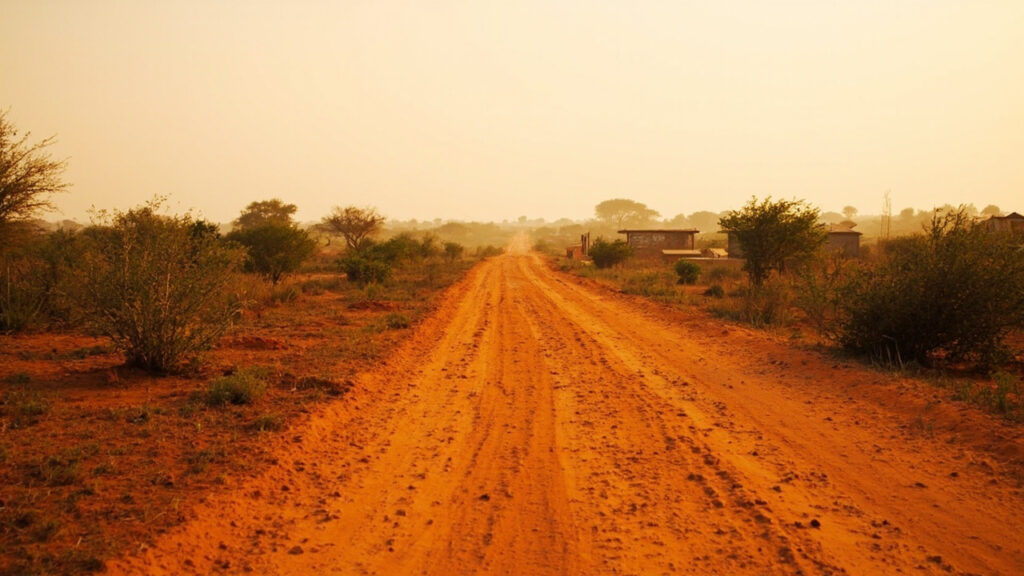
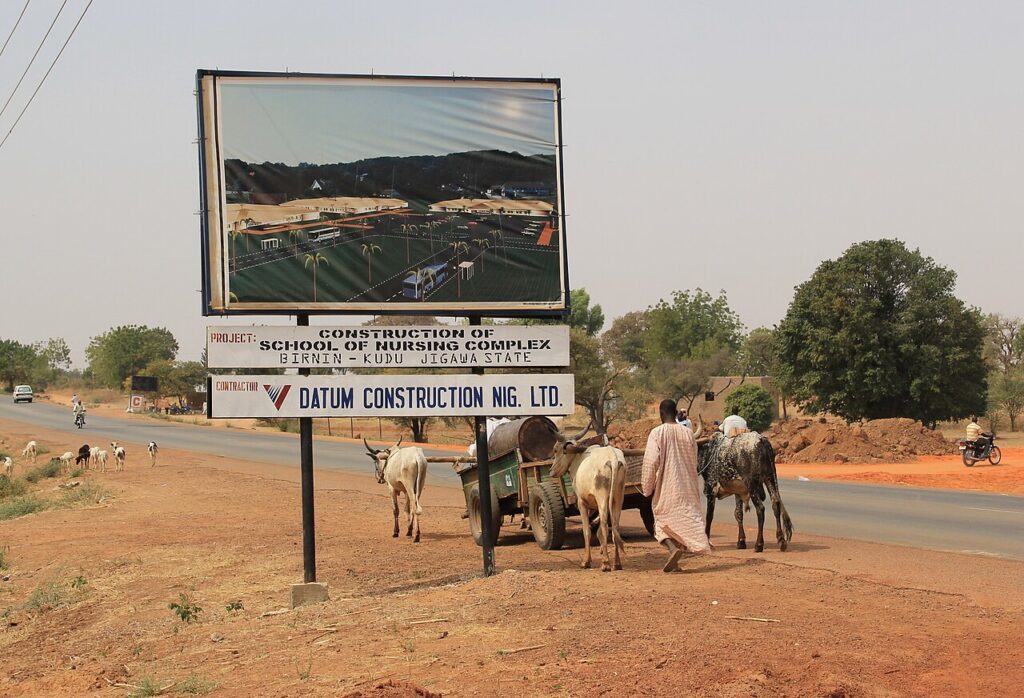
Jigawa State lies in the savanna belt of northwestern Nigeria, where many communities sit hours away from the nearest fully functioning health facility. Pregnant women in rural areas often face long, difficult journeys on poor roads, and the absence of affordable transport has long been recognised as a major contributor to maternal and newborn deaths across the region. Where ambulances are scarce or non-existent, the difference between life and death can hinge on whether a family can find a vehicle in the middle of the night.
Community ownership
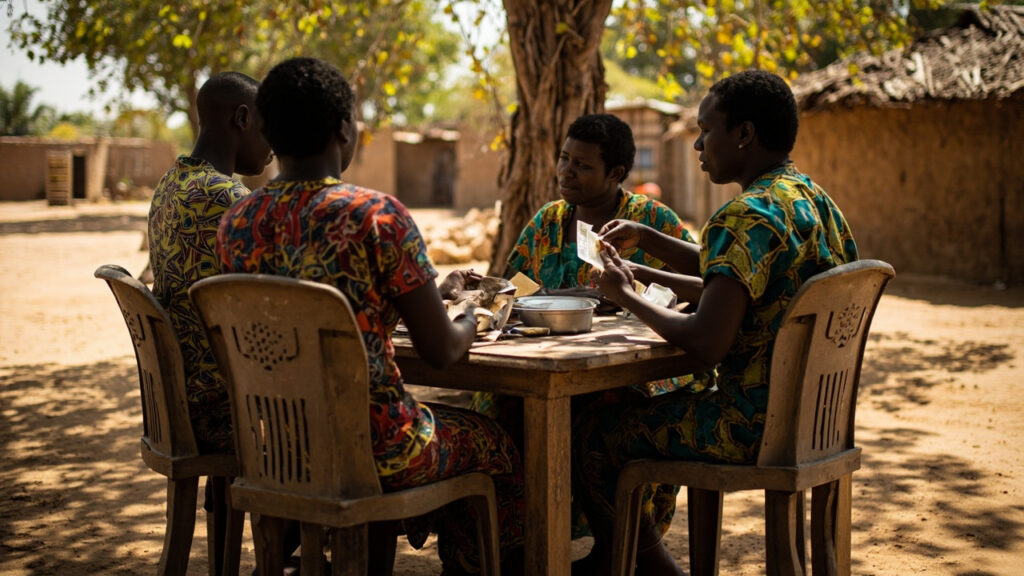
The community-led initiative in Azeema’s area reflects a wider shift in thinking about rural healthcare in Nigeria. Rather than waiting for state ambulances or outside donor programmes, local women have taken the matter into their own hands, contributing modest sums to keep a transport fund running. For Azeema, who has needed hospital care for each of her deliveries, the value of such a system is not abstract. Her previous caesarean section was a reminder that pregnancy in rural Jigawa can turn dangerous without warning, and that timely access to a surgical facility is not something a family can take for granted.
The approach echoes similar community health financing schemes that have emerged in parts of sub-Saharan Africa, where villages have pooled resources to fund motorcycle ambulances, bicycle taxis or hired vehicles for medical emergencies. While such schemes cannot replace properly resourced public health systems, they have repeatedly proven their worth in bridging the gap where infrastructure falls short.
A wider context
Northern Nigeria has long recorded poorer maternal and child health outcomes than the southern regions of the country, with indicators shaped by a combination of poverty, education levels, cultural practices and the availability of skilled birth attendants. State governments, international agencies and local non-profits have all invested in trying to close that gap, often focusing on training midwives, upgrading rural clinics and providing free antenatal care.
But as the women of Azeema’s community have demonstrated, the simplest interventions — ensuring a woman can reach a hospital when labour goes wrong — remain among the most effective. Their contribution, drawn from households that are far from wealthy, speaks to a sense of ownership over maternal health that policy documents often praise but rarely see in practice.
For now, Azeema and Maisara are well. The next mother to face an emergency in the community will, thanks to her neighbours, have a better chance of reaching General Hospital Jahun in time.
Sources
This report was written from coverage published by the following news organisations. Follow the links for the original reporting.
More From Society & Culture
Nigeria: 101-year-old great-grandmother arrested over cannabis sales

From cardboard to cosplay: inside Nairobi’s growing anime convention scene
