Libya’s Zawiya refinery hit in third drone strike in two days
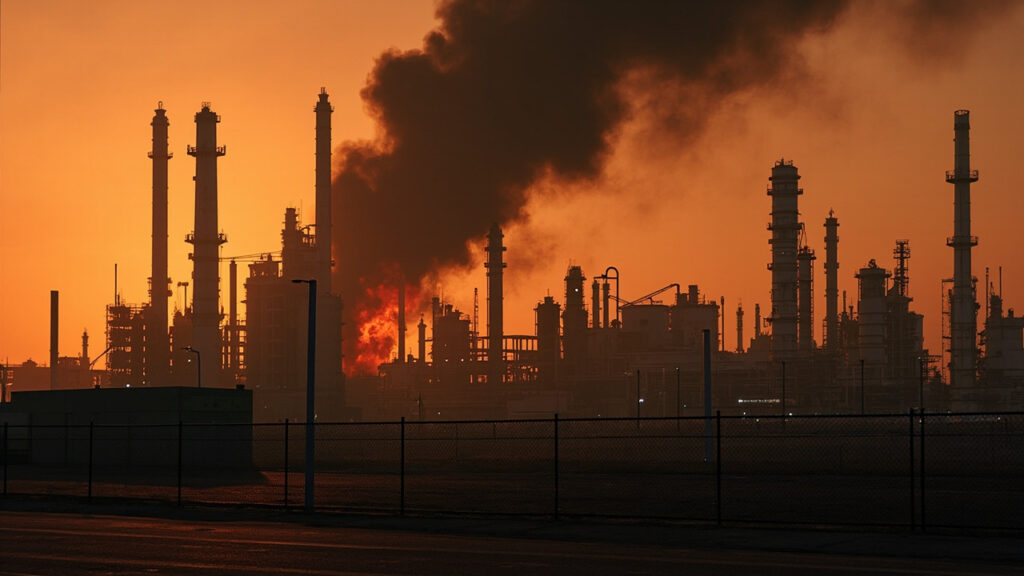
Firefighters were battling a large blaze at Libya’s Zawiya oil refinery on Monday after a drone strike, the third such incident at the facility in two days, according to BBC News.
The attack on the refinery, located in the coastal city of Zawiya roughly 45 kilometres west of Tripoli, has renewed concerns about the vulnerability of Libya’s vital oil infrastructure. Libyan authorities moved to contain the fire at the facility, which is one of the country’s largest and operates under the umbrella of the National Oil Corporation (NOC), the state-owned body that oversees Libya’s hydrocarbon industry.
A critical installation
The Zawiya refinery processes crude from fields in the western part of the country and supplies fuel to much of northwestern Libya, including the capital. The NOC’s revenues underwrite the bulk of the national budget, and any sustained disruption to refining or export operations has knock-on effects on both domestic fuel supply and state finances. The corporation has, in previous episodes of unrest, been forced to declare force majeure at ports and fields following blockades or attacks.
A wider pattern
Libya’s oil installations have been repeatedly targeted since the 2011 uprising that toppled long-time leader Muammar Gaddafi, as rival factions, militias and armed groups have sought leverage in the country’s protracted political conflict. The country remains divided between competing administrations based in Tripoli and the east, and the energy sector has frequently been drawn into disputes between them.
The succession of strikes on the Zawiya refinery over the space of 48 hours underscores the continuing strain on Libya’s ability to safeguard installations on which both its domestic stability and its export-dependent economy rest.
Sources
This report was written from coverage published by the following news organisations. Follow the links for the original reporting.