Ceuta leader urges detention centre as Spain faces pressure over migrant crisis
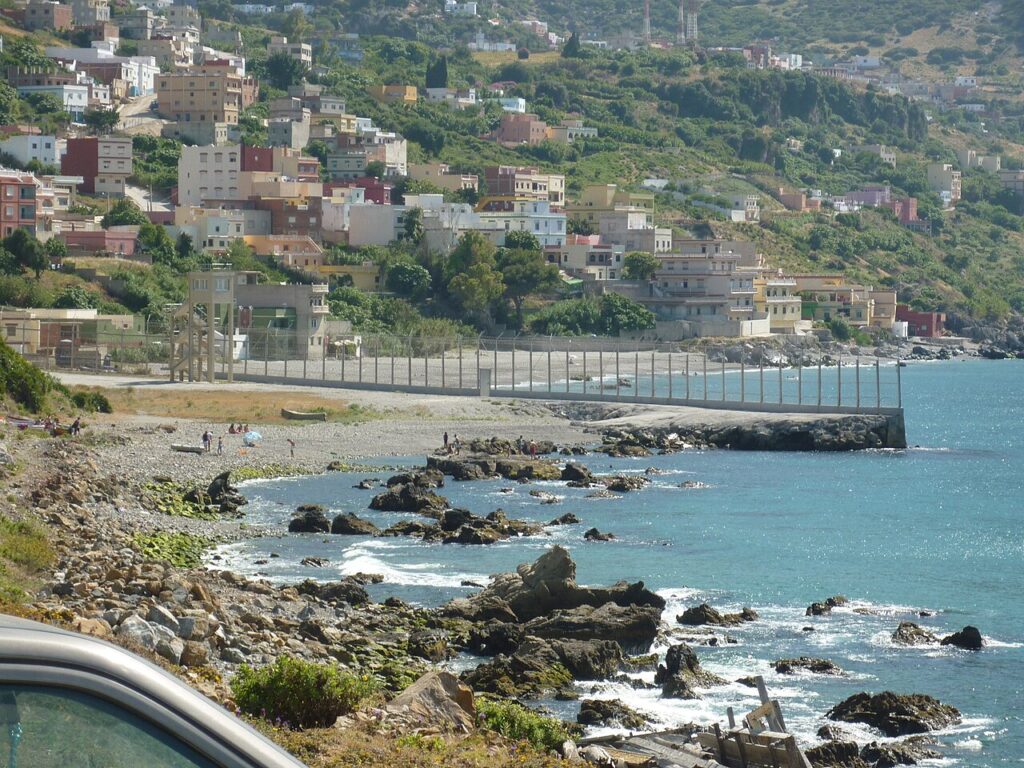
The pressure on Spain over migration to the North African enclave of Ceuta has intensified, with the territory’s leader urging the construction of a dedicated detention centre to process arrivals, while the central government in Madrid maintains that border controls remain firmly in place.
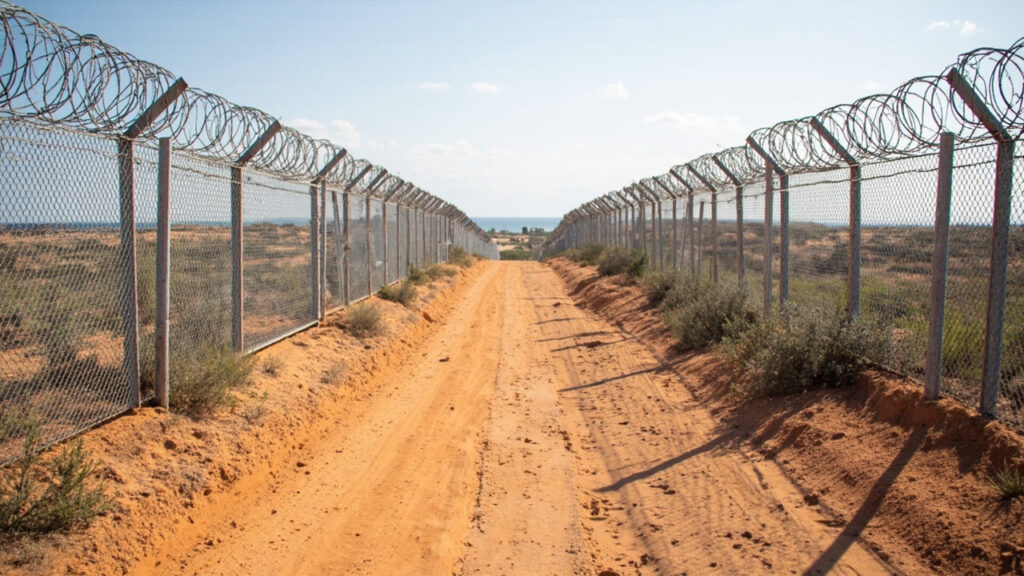
Ceuta, along with Melilla further east, is one of two Spanish autonomous cities located on the northern coast of Africa, separated from Morocco by heavily fortified borders. The enclaves have long been focal points of migration flows from sub-Saharan Africa, with people seeking entry into the European Union. According to Africanews, tens of thousands of migrants crossed from Morocco into Ceuta in a single surge last month, an episode that overwhelmed local reception capacity and drew sharp reactions from both Spanish and Moroccan authorities. The scale of the crossings has revived debate across Europe about how to manage irregular migration at the bloc’s southern frontier.
A call for a permanent facility
The president of Ceuta has called on Madrid to set up a permanent detention facility on Spanish territory to hold and process new arrivals, arguing that the enclave’s existing infrastructure cannot cope with another mass influx. He has framed the proposal as both a humanitarian and security necessity, saying that without a designated site, migrants end up sleeping rough in public spaces with no access to proper screening or care. Local officials have warned that the territory’s schools, health services and shelters are not designed to absorb sudden, large-scale arrivals.
Madrid’s response
Spain’s central government has so far resisted the call. Officials in Madrid have insisted that border controls and security measures remain firmly in place and have pointed to cooperation with Moroccan counterparts as the cornerstone of their migration strategy. As Africanews reported, the government is unlikely to reverse its position in the near term, given the political sensitivity of building new detention facilities on European soil and the diplomatic weight of relations with Rabat.
A recurring challenge
The crisis has once again highlighted the delicate balance Spain must maintain with Morocco, a key partner on counter-terrorism, trade and the control of irregular migration. Previous spikes in crossings, most notably in 2021 when several thousand people entered Ceuta in a single day, were brought under control only after intensive coordination between the two governments. For Ceuta, a territory of roughly 85,000 residents, recurring waves of arrivals have placed sustained strain on local services and exposed the limits of reception arrangements designed for far smaller numbers. European Union institutions have also been drawn into the debate, with member states divided over whether to expand Frontex operations along the western Mediterranean route or to focus on bilateral agreements with countries of origin and transit. Spain’s handling of Ceuta is widely seen as a test case for how the bloc responds when a single frontier point is suddenly overwhelmed.
Sources
This report was written from coverage published by the following news organisations. Follow the links for the original reporting.