Cameroon’s Biya Reshuffles Military Command During Extended Absence Abroad

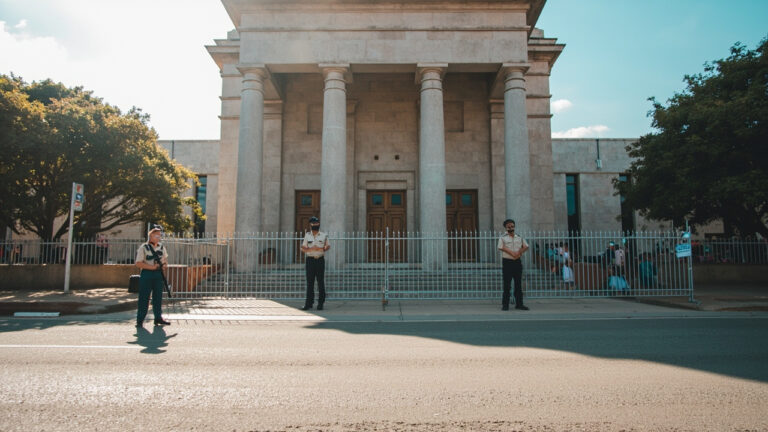
Cameroon’s President Paul Biya has reshuffled senior military commanders while on an extended private stay in Europe, according to reporting carried by AllAfrica. The changes, contained in three decrees signed on 3 August and later read out on state radio, replaced commanders in four of Cameroon’s five joint military regions and elevated the head of the Presidential Guard.
Biya, 93, left Cameroon on 7 June for what his office described as a private trip to Europe, according to Daba Finance, and had not returned by the time the decrees were announced publicly. The duration of his stay in Europe thus stretched beyond two months before the military changes were formalised, an unusually long absence for a head of state during a period when the country faces multiple security pressures.
A leadership vacuum in the public eye
Biya, who has governed Cameroon since 1982, is one of the longest-serving heads of state in Africa. His frequent and prolonged trips abroad, often to Switzerland and France, have periodically drawn public comment at home and abroad, particularly because Cameroon’s constitution provides for a relatively short interim substitution when a president travels or is temporarily incapacitated. The Vice President or, failing that, the Senate President, is designated to act in his place, though the framework’s practical operation during extended absences has been debated by constitutional scholars for years.
Military regions and security pressures
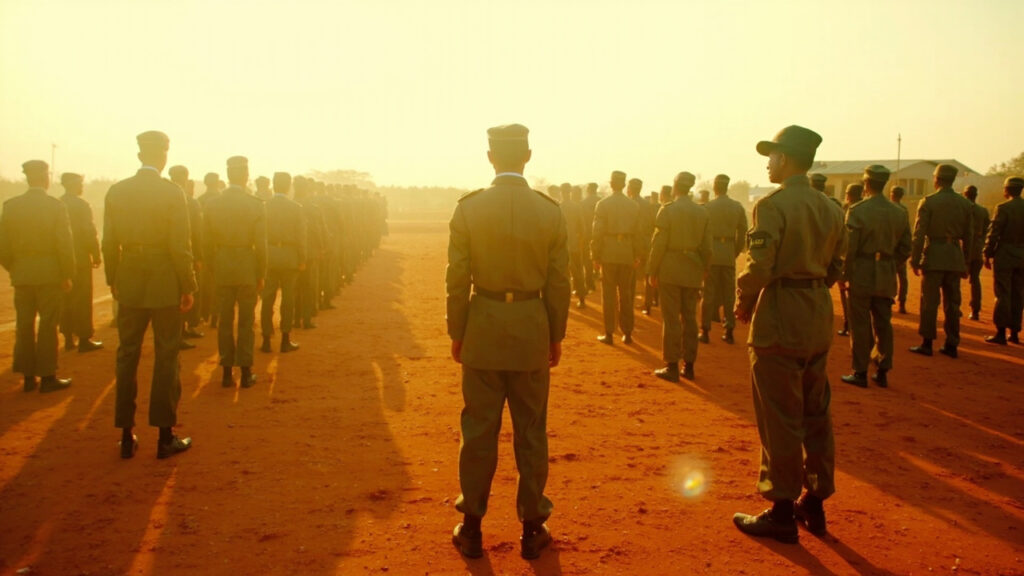
Cameroon’s armed forces are organised into joint military regions, a structure designed to coordinate ground, air and gendarmerie units across the country’s ten administrative regions. The army has been engaged for several years against armed groups in the Far North, where the Boko Haram insurgency spills across the Nigerian border, and in the Anglophone Northwest and Southwest regions, where a separatist conflict has entered its ninth year, according to widely documented background reporting.
Scope of the reshuffle
According to the summary carried by AllAfrica, the decrees replaced regional commanders in four of the five joint military regions. They also promoted the head of the Presidential Guard, the unit responsible for protecting the president, the seat of government and key installations in the capital. The full text of the decrees was not included in the source reporting available, and the names of incoming and outgoing commanders were not specified in the summary.
Unanswered questions
The announcement leaves several questions outstanding. The Cameroonian government has not, in the material available to AllAfrica, given a return date for the president, nor has it indicated whether additional military or civilian appointments are pending. The reshuffle comes at a sensitive moment, as Cameroon continues to host large numbers of refugees from neighbouring crises and as regional security coordination remains a priority for countries in the Gulf of Guinea and the Lake Chad Basin.
Sources
This report was written from coverage published by the following news organisations. Follow the links for the original reporting.