Nigeria rescues 308 women and children in largest operation against jihadist captors
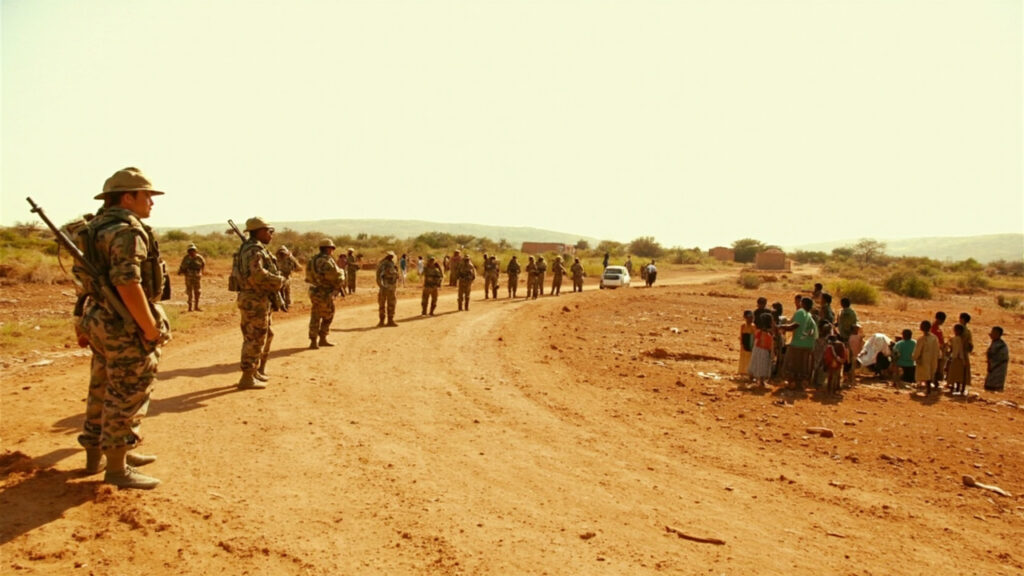
Nigeria’s largest rescue operation has freed 308 women and children held captive by jihadist insurgents, according to facebook.com, in what represents one of the most significant single rescue efforts of the long-running conflict in the country’s northeast.
The scale of the operation marks a notable milestone in Nigeria’s years-long battle against jihadist groups operating in the Lake Chad region. Since the Boko Haram insurgency began in 2009 and intensified following the mass kidnapping of schoolgirls from Chibok in 2014, the Nigerian military has carried out numerous rescue missions, though typically involving far smaller numbers of captives.
The northeast of Nigeria, particularly Borno State and its vast Sambisa Forest, has been the epicentre of the insurgency. The conflict has displaced millions of people and generated one of Africa’s most severe humanitarian crises. Islamic State West Africa Province (ISWAP), a successor faction to Boko Haram, has continued to operate in the region, frequently abducting women and children from rural communities.
Large-scale abductions have been a hallmark of the insurgency, used both as a tactic of war and as a means of forced recruitment. The rescue of 308 individuals underscores the scale at which communities have been affected and the operational capacity now being deployed against the insurgents.
Rescue missions have been a central plank of Nigeria’s counter-insurgency strategy, often coordinated with local civilian task forces and the broader Multinational Joint Task Force, which brings together troops from Nigeria, Chad, Niger, Cameroon and Benin. The latest operation, described as the largest of its kind on record, is likely to be welcomed by humanitarian agencies and communities across a region where the fate of abducted civilians remains a deeply sensitive issue.
Sources
This report was written from coverage published by the following news organisations. Follow the links for the original reporting.