Kenya’s Supply Chains Face Mounting Pressure
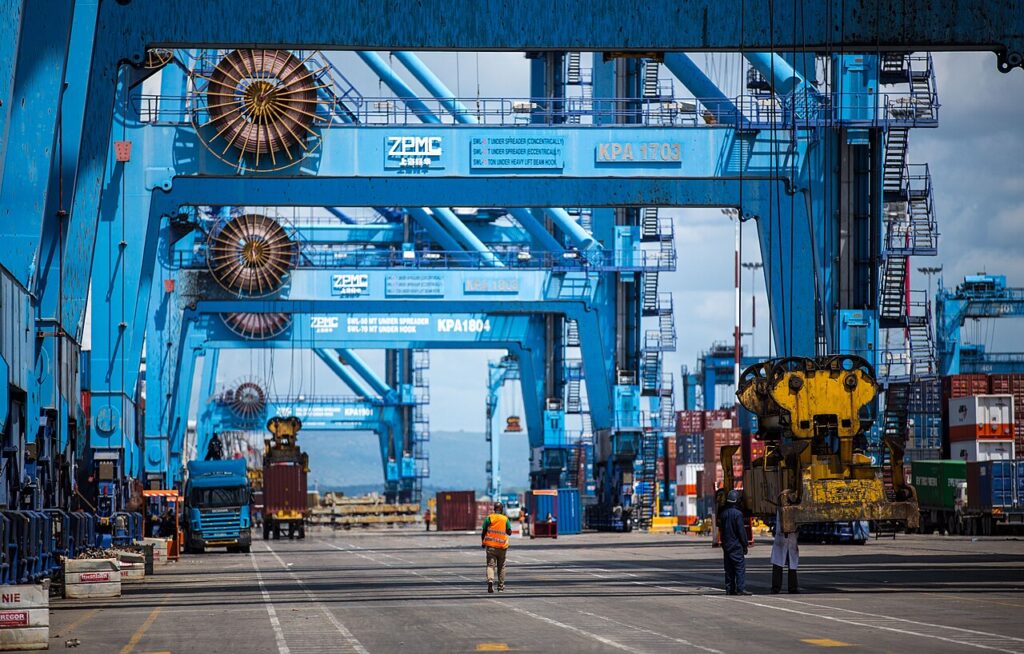
Kenya’s position as East Africa’s principal logistics gateway is under renewed strain, with disruptions rippling across the country’s transport corridors and raising concerns among traders, importers and regional partners who depend on Mombasa and Nairobi as transit hubs, according to The Kenyan Wallstreet.
The country sits at the centre of regional commerce. The Port of Mombasa, which handles cargo destined not only for Kenya but also for Uganda, Rwanda, South Sudan, the Democratic Republic of Congo and Tanzania, remains one of the busiest maritime facilities on Africa’s eastern seaboard. From there, goods move inland along the Northern Corridor, a highway and rail artery that funnels freight through Nairobi and onward to Uganda and Rwanda.
Pressures along the corridor
As The Kenyan Wallstreet reported, operators across Kenya’s supply chain are contending with a combination of pressures that has lengthened delivery times and increased costs for businesses that depend on the smooth movement of goods. Kenya imports a wide range of staple and intermediate products, including refined petroleum, wheat, fertiliser and pharmaceuticals, and any disruption to its logistics network quickly feeds into consumer prices at home and in neighbouring markets.
Infrastructure and regional stakes
Kenya’s logistics infrastructure has expanded significantly in recent years, notably with the operation of the Standard Gauge Railway linking Mombasa to Nairobi, and the development of inland container depots at Naivasha and Kisumu. These facilities were designed to ease pressure on the port and shorten transit times for landlocked neighbours.
For Uganda, Rwanda, Burundi and South Sudan, the efficiency of Kenya’s corridors is a matter of national economic planning. Chronic congestion or rising costs in Kenya quickly translate into higher prices for consumers in those markets, making the resilience of the country’s supply chain a regional rather than purely domestic concern.
Sources
This report was written from coverage published by the following news organisations. Follow the links for the original reporting.
- The Kenyan Wallstreet — Kenya's Supply Chains are Straining