US Senate passes sweeping sanctions targeting Russian energy revenues
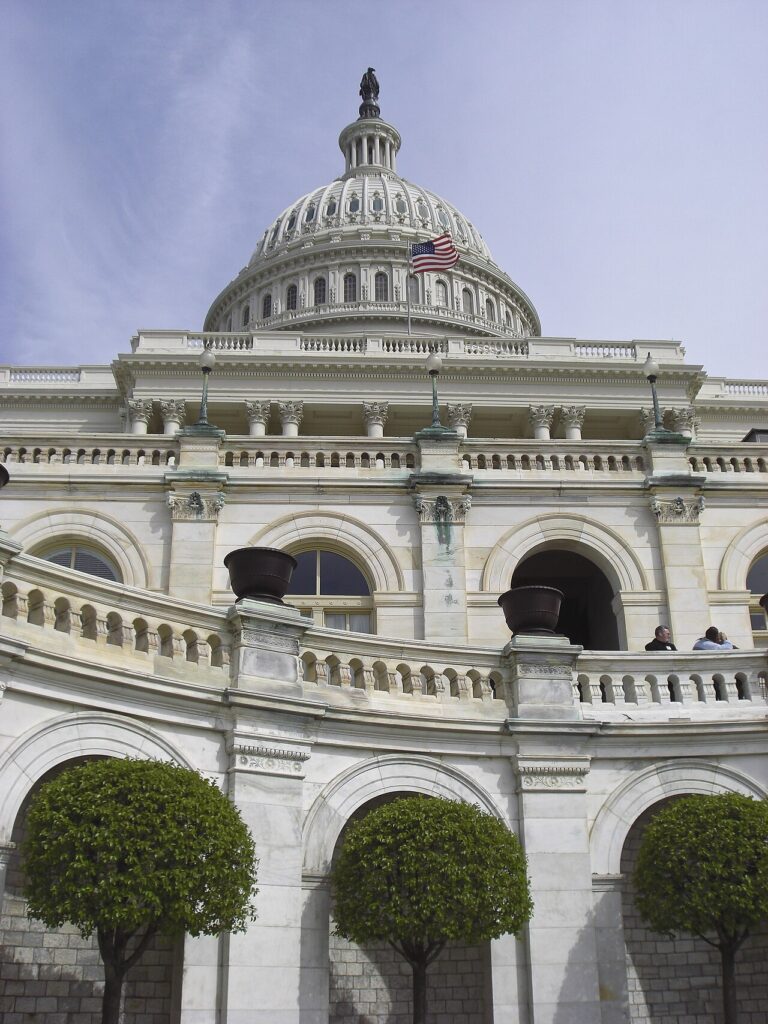
The US Senate has approved a sweeping package of sanctions aimed at Russia’s energy sector, one of the cornerstones of the Russian economy and a critical source of revenue funding Moscow’s war in Ukraine.
According to Africanews, the legislation is designed to choke off the income that has helped bankroll Russia’s military operations since the full-scale invasion of Ukraine began in February 2022. Energy exports — particularly crude oil and natural gas — have remained one of the Kremlin’s most significant financial lifelines, even as Western governments have moved to isolate Moscow diplomatically and economically.
Russia is one of the world’s largest exporters of hydrocarbons, and revenues from oil and gas sales have historically accounted for a substantial share of the federal budget. Despite successive rounds of sanctions imposed by the United States, the European Union and other partners since 2022, Moscow has continued to find buyers for its energy products, often through discounted sales to countries that have not joined the Western sanctions regime.
As Africanews reported, the new measures are intended to close existing loopholes and tighten pressure on Russia by targeting the financial infrastructure that supports its energy trade. Supporters of the legislation in Washington have argued that constraining Russia’s energy earnings is among the most effective tools available to the United States in seeking to limit the resources available for the war effort.
Under standard US legislative procedure, the package would require approval by the House of Representatives before it could be sent to the president’s desk. The sanctions push comes amid continued fighting in Ukraine and renewed debate in Western capitals over how best to support Kyiv while limiting the financial capacity of the Russian state to sustain its military campaign.
Sources
This report was written from coverage published by the following news organisations. Follow the links for the original reporting.