Rural Kenyan students embrace hands-on science education
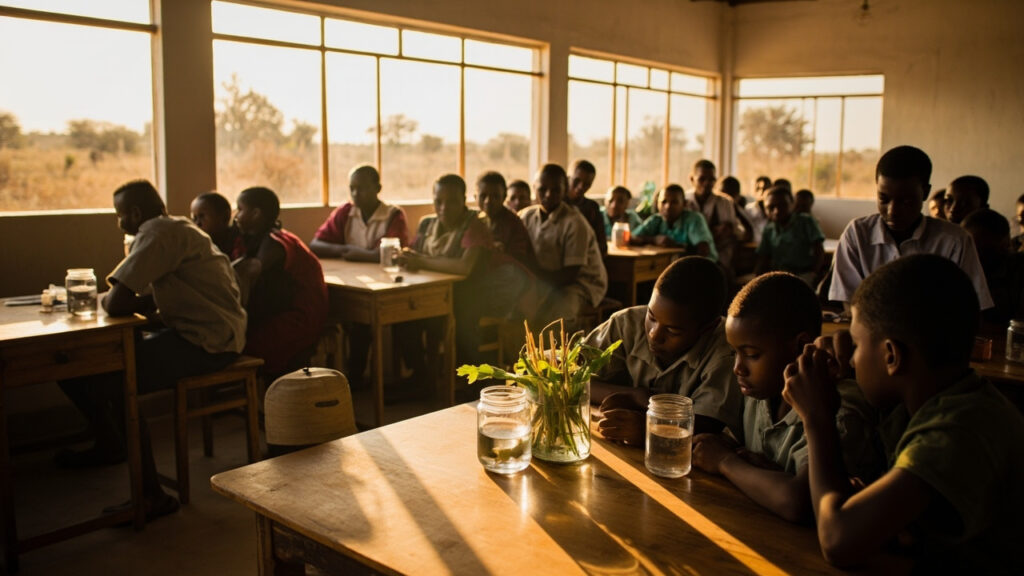
According to a report from concern.org.uk, students in rural Kenya are engaging with science in new ways through hands-on, practical learning approaches that move beyond traditional textbook methods.
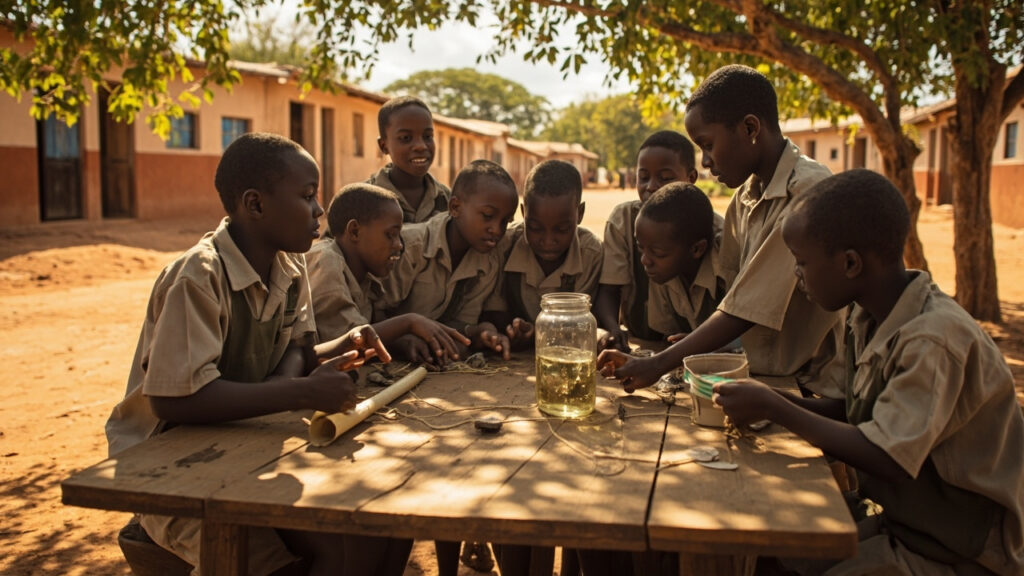
Kenya introduced free primary education in 2003 and has since expanded access to secondary schooling, but rural schools often continue to face challenges including limited laboratory facilities, shortages of specialist science teachers, and large class sizes. In this context, experiential learning — where pupils conduct experiments, build models, and observe natural phenomena directly — has been promoted as a way to deepen understanding and sustain interest in STEM subjects among young learners.
Hands-on science education carries particular weight in a country where national assessments have historically shown wide performance gaps between urban and rural schools. Kenyan education policy has increasingly emphasised competency-based learning, an approach that prioritises practical skills and real-world application over rote memorisation. This shift aligns with broader efforts across sub-Saharan Africa to strengthen STEM capacity and prepare young people for a labour market in which technical skills are increasingly valued.
According to concern.org.uk, the shift toward practical experimentation is helping students connect classroom concepts to their everyday environment — from studying local agricultural cycles to exploring simple engineering principles with materials sourced from their own communities. Such activities can make abstract ideas tangible, anchoring lessons in the realities pupils already know.
While challenges remain — including the cost of basic equipment and the need for sustained teacher training — the experiences documented in rural Kenya reflect a wider regional conversation about how education systems can better serve students in historically underserved areas.
Sources
This report was written from coverage published by the following news organisations. Follow the links for the original reporting.